
The history of football has seen a multitude of clubs, each of which marked its time with its prowess and its various trophies. However, a dozen clubs clearly stand out from the competition. Curious about which are the 20 best football clubs in the world? Here is an article which lists the 20 best football clubs according to their record according to UEFA.
It is well known that, when you want to draw up rankings concerning not only the world of football, but the sports world in general, by combining and comparing teams, sports disciplines and individual athletes, lived in different historical moments, the risk of unleashing long, heated debates and strong criticism is more than obvious.
Who will be better between Pele and Maradona? Better Sampras or Federer? The same is also true for team sports. Better the Italian national football team or the French one? And so on to endless discussions.
Ajax
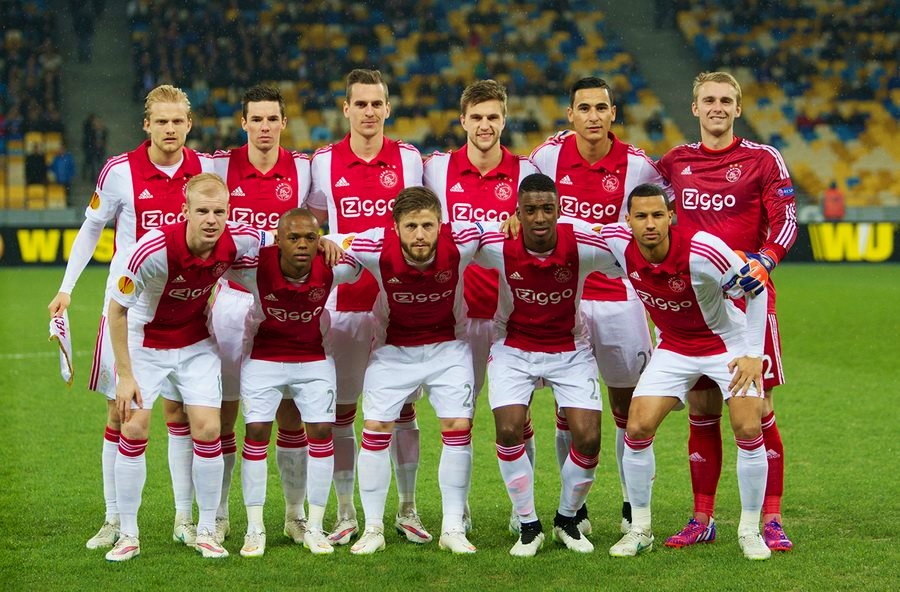
During the period in which the team was led by the iron sergeant Rinus Michels, the characteristic scheme of the team, the 4-4-3, was launched, which involved sudden changes of position and great teamwork: total football was born. When Michels left Ajax for Barca in 1971, he was replaced by Romanian Stefan Kovacs, who gave the team more freedom in attack.
Real Madrid
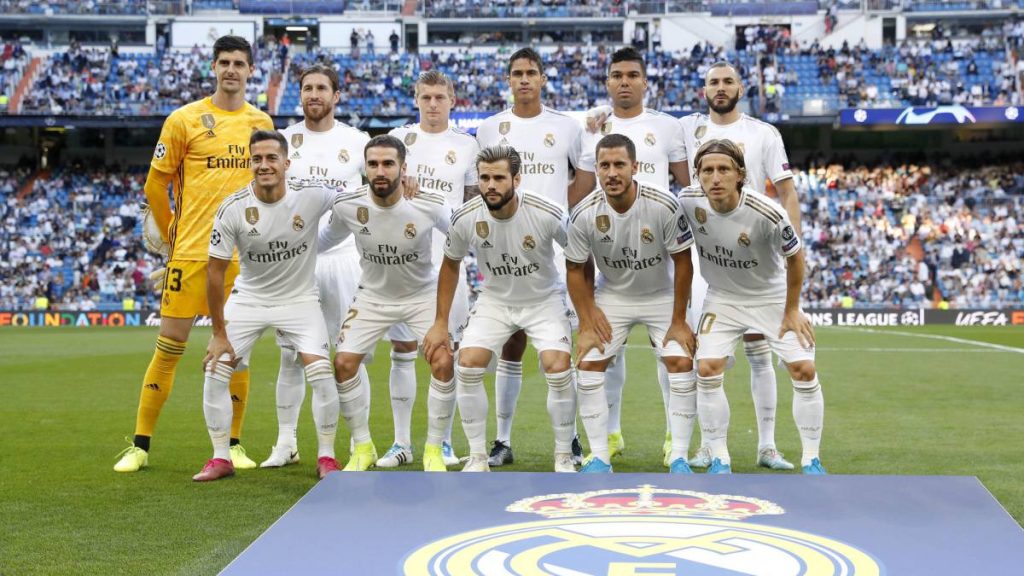
In 1960, while Real Madrid beat Eintracht Frankfurt for 7 to 3, the English national team followed the game on television, with the volume off, in a hotel in Budapest. Jimmy Greaves recalls: “We watched the whole match in awe: each of us understood, without the courage to admit it openly, that if that was modern football, we Brits were years behind.”
Barcelona
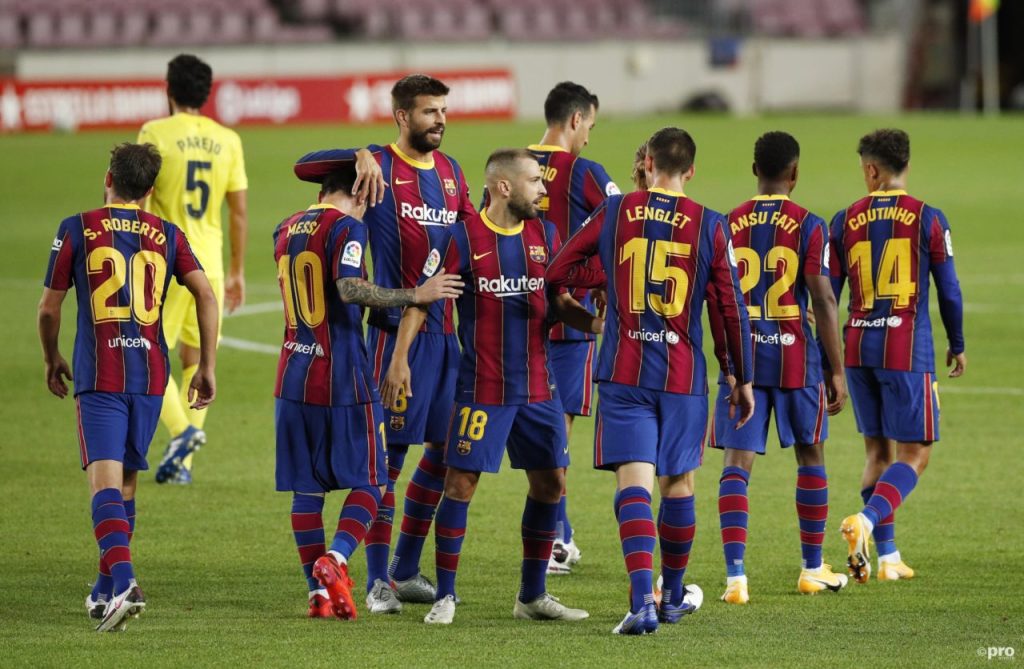
“Buckle up,” laughed Pep Guardiola when he was introduced to Barcelona fans as the club’s new manager in August 2008, “you will have fun on this trip.” Barça has rewritten the football scheme booklet in its own way, reformulating the 4-3-3 module. However, what Guardiola inherited from his predecessor Frank Rijkaard was not a perfect machine. “With Frank the rules were less strict”, remembers midfielder Xavi, “a kilo more or less didn’t change anything, a few minutes late was not important.
Liverpool
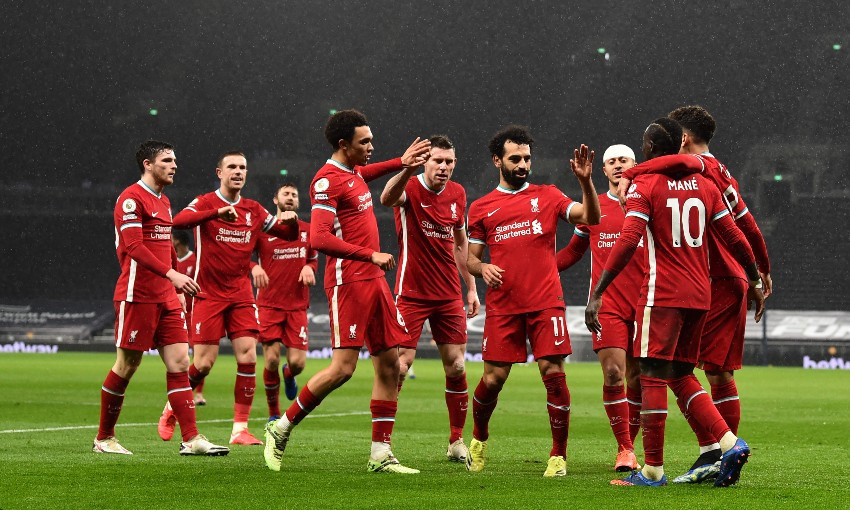
The Reds led by coach Bob Paisley won, in the period from 1975 to 1984, 7 championships, four European Cups and four League Cups, thus creating the first authentic English football dynasty. In addition to arousing admiration even among those who were not fans of a particular team, that Liverpool showed an exciting type of play, made of first passes and fast action.
Inter
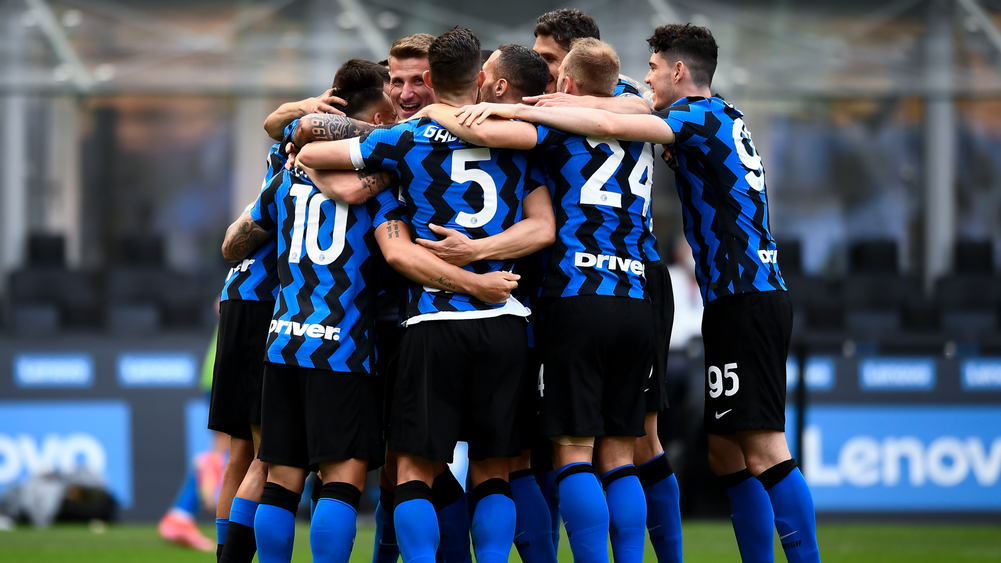
That is the team that codified the type of Italian game. Argentine boss Helenio Herrera did not invent the bolt (it was Austrian coach Karl Rappan who created it years earlier), but his version of this form – a 5-3-2 lineup with a free, placed behind the defense, and a midfielder orchestrating fast counter-attacks – it was so precisely implemented that his team ended up representing him. This team you can found in EA games on origin and play this weekend.
Juventus
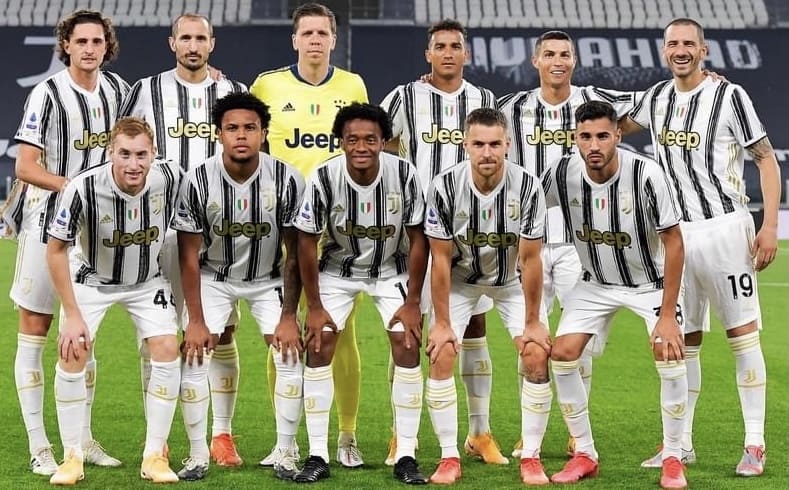
Italian football club, Juventus has an impressive track record. Indeed, it is one of the 10 most successful and prestigious football clubs in world history. She has won a multitude of trophies both nationally and internationally.
Atlético Madrid

Eleven times champion of Spain, Atlético Madrid has proven itself throughout the national territory and on a continental scale. Between only 2009 and 2018, the football club won the UEFA Cup of the European League and the UEFA Super Cup three times. However, its victories do not date from today, because during the 1961/62 season, the Madrid club won the Cup. Finally, they came close to winning the UEFA Champions League final three times, in 1974, 2014 and 2016.
Seville

Surprising as it may seem, Sevilla has been named one of the best football clubs in the world in the IFFHS World Rankings many times. He maintained this title for five successive months and represents the only club from Andalusians to have obtained this prestige in the history of football. The peculiarity with Sevilla is their UEFA European League cup record. The team won 6 UEFA cups between 2005 and 2020. Although she did not have the honor of carrying the title of winner of the Champions League.
Borussia Dortmund
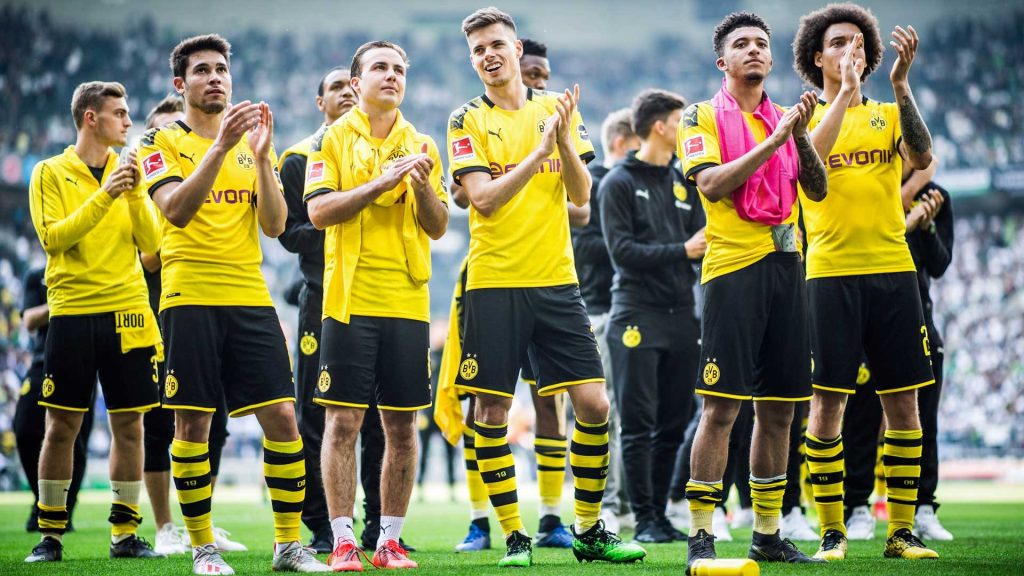
While Europe’s attention was directed to the challenge between Guardiola and Mourinho in the Liga, in the Bundesliga it was reborn as a sleeping giant capable of giving a huge swerve to the tactical discourse and marking it forever. A team always crossed by an electric discharge. Jurgen Klopp has brought Borussia Dortmund back to the top of Europe with his football based on the concept of re-aggression, in German gegenpressing. A simple concept but which in the application of Dortmund enormously influenced the football of the 1910s.
Manchester City
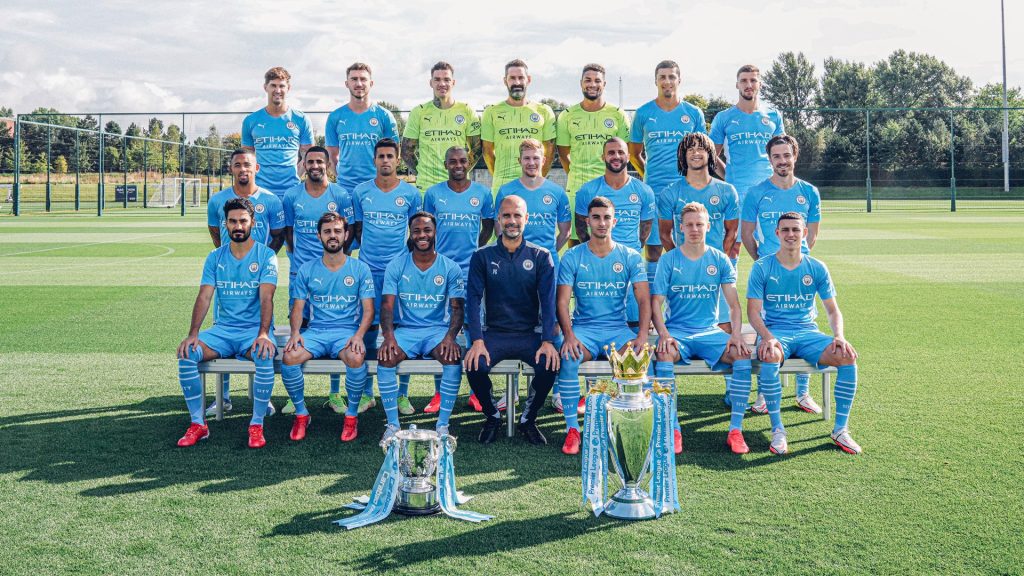
Every decade the Premier League has had the arrival of a patron capable of rewriting its geography and the 1910s are when the emir petrodollars transformed a mid-table team like Manchester City into a world-class power, with teams spread over all continents. The birth of the CityGroup was the most ambitious project of the decade. For Manchester City it was not enough to win the Premier League, he wanted to do it by building a brand that associates the City with the best football in the world and that is why he put Pep Guardiola on the bench.
Leicester
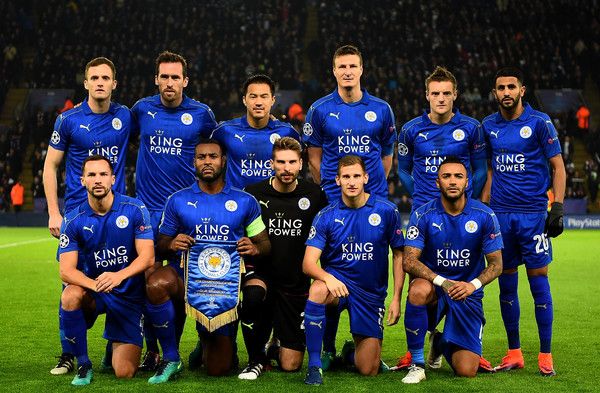
Goalkeeper Schmeichel lowers a ball that central Morgan throws out of the box and which Kanté intercepts before it can reach his opponents. The French midfielder supports him on his team mate Drinkwater who immediately throws wide to the right for Mahrez, who, returning towards the field, passes vertically for Vardy already started behind the defensive line. Vardy does not even have to stop the ball, before the goalkeeper manages to get out of first kicks to cross at the far post.
Chelsea
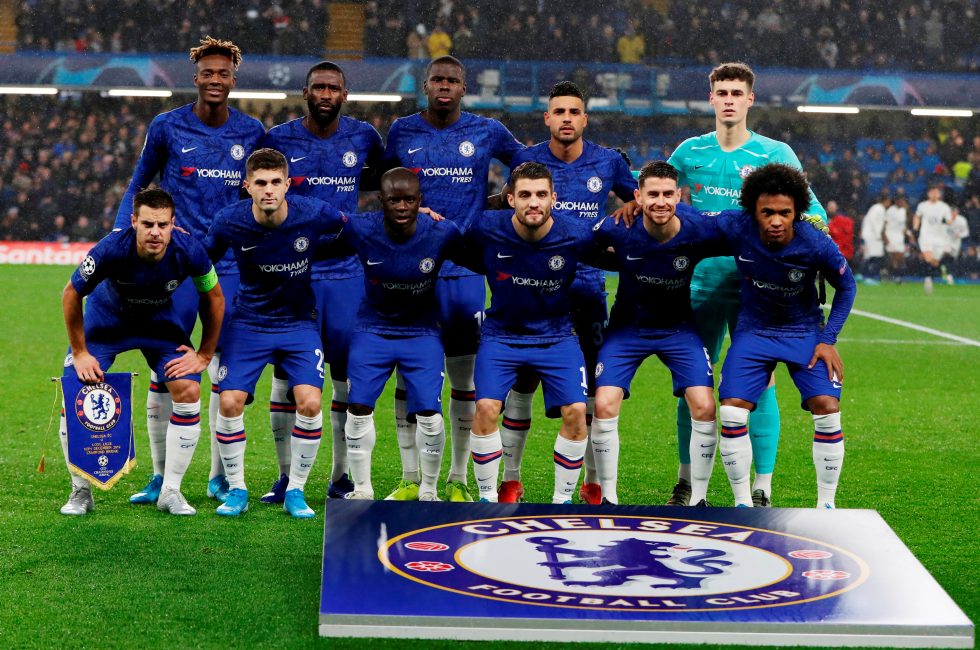
It could be argued that Chelsea under Frank Lampard do not deserve to be on this list ahead of Inter Milan and Manchester United. But sacking Chelsea would mean neglecting their 2019 Europa League win and Premier League title just four years ago, as well as their regular presence in the top four. Chelsea have the financial muscles to compete with the best and, while Lampard is overseeing a change in the way the club operates, the Blues remain one of the most feared teams on the continent. No, they are not a match for Liverpool and Manchester City in terms of the Premier League title challenge right now, but Chelsea are habitual in the knockout stages of the Champions League.
PSG
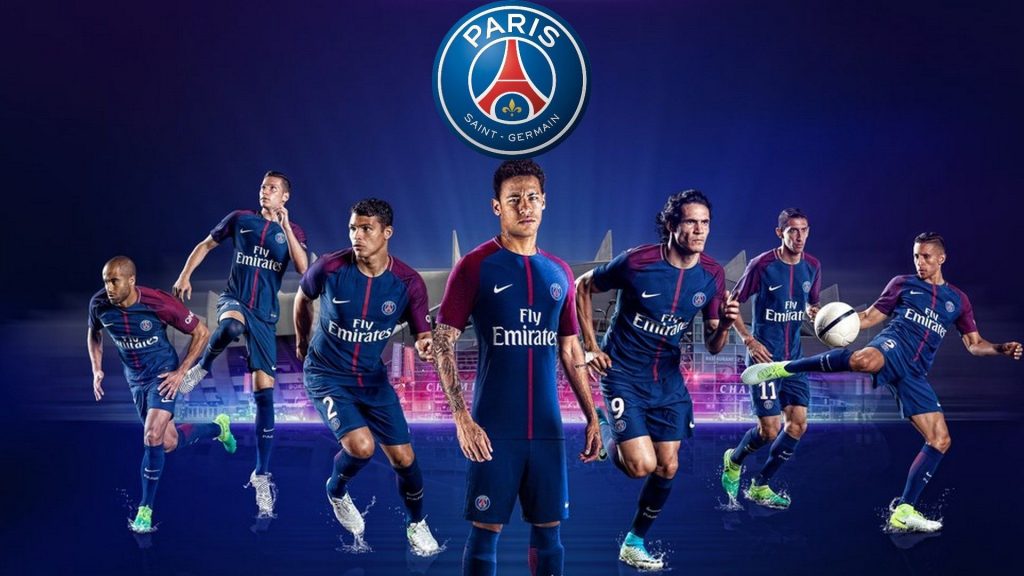
From a purely gaming standpoint, PSG boasts the most exciting team on the planet. Neymar, Kylian Mbappe, Mauro Icardi, Presnel Kimpembe and Julian Draxler represent the elite of modern football. Financially the team is backed by a Gulf state that desperately wants to win the Champions League and has made a mockery of the French top flight.
Yet PSG remains fourth on this list due to a lack of Champions League success. The last few seasons have seen their European ambitions regress to reach the final in 2020, only to be beaten by Bayern Munich. Where does PSG go from here? Well, they fired manager Thomas Tuchel after a miserable start to the 2020/21 campaign and now they have Mauricio Pochettino on board.
Will the former Spurs boss be able to take the plunge? PSG owners are desperate to cement their status as one of the greats, but they need a Champions League gong to do so. And there is another team across the Channel that is eager to make that claim.
Football history
Ancient Japan with kemari and ancient China with tsu-chu boast the earliest precedents of football (local traditions speak of a thousand years before Christ, but other sources place tsu-chu much further back., around 2600 BC).
From Asia to ancient Rome
The game of football has very ancient origins. When asked who invented the game of football, it is possible to say that the first signs of where football was born come from Asia and in particular from China and Japan. In the latter, to which the inventor of football can be attributed, the “Kemari”, still practiced today, was widespread, in which the players had to pass the ball to each other, a leather envelope inside which an inflated animal bladder was inserted, without make them touch the ground.
About 500 years later, in China in the 11th century BC, the “Tsuchu” was practiced, which translated means leather ball kicked from the foot, which consisted of inserting the ball, made of feathers and female hair, into a hole supported by two bamboo canes with feet only.
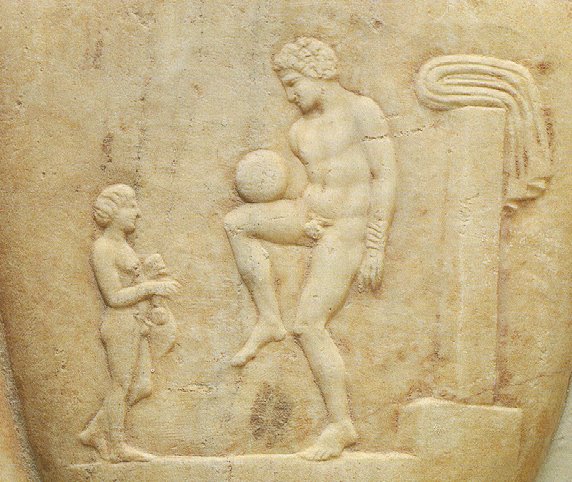
In the 4th century BC it is in Greece that there is evidence of a game called “Episkyros”, which however was never included among the Olympic disciplines. Like many Hellenic things, this game was also brought to Rome, becoming the “Harpastum”, which from the Greek arpazo means to tear with force.
In this game there were two teams that faced each other and passed the ball with the hands and feet in a rectangular space delimited by side lines and a central one that divided the field in two. The aim was to rest the ball on the opponent’s goal line. Football in history was practiced a lot by legionaries for about 700 years and it is thanks to them that this sport was also known in the British Isles where, later, the foundations for modern football will be laid.
The United Kingdom, the homeland of those who invented modern football
As mentioned, it was in the United Kingdom, thanks to the diffusion by the legionaries, that the foundations were laid for the development of modern football. Bases that apparently had been stable for some time. In fact, the game of football can also be found in Shakespeare’s literature, precisely in King Lear, where the English poet and playwright makes Kent say: “Catch this, bad soccer player!”, Landing Osvaldo with a trip.
In the 19th century it is the industrial revolution with its technological and scientific advance that revived the love for this sport. Thus the “ball game with the feet”, football, so far widespread at a popular level and with brutal and violent accents, begins to become a sport well regarded even by the noble classes, who saw this sport as a means of courtly competition between the various colleges. It is in this reality, in that of the Harrow, Rugby and Charterhouse campuses in particular, that the game of football is welcomed by the highest social classes.
The spread and birth of football in Europe and South America
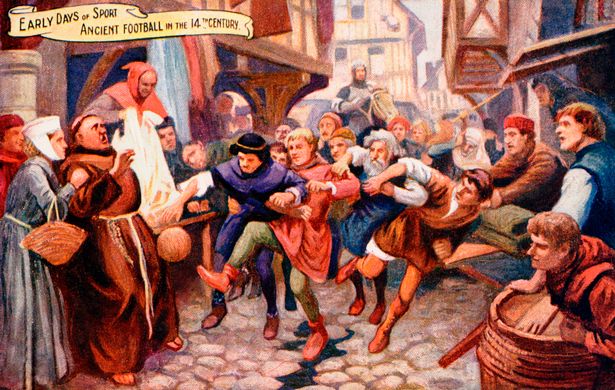
While in the UK football had become a mass phenomenon, in Europe and South America it was still popular only at a popular level and with undefined and updated rules. It was thanks to the large overseas commercial network and for this thanks to the sailors, who in free moments of the day gave life to lively football matches on the docks, that football spread with its modern aspect.
In Europe it was the maritime cities that then expanded football throughout the nation: in Italy this role fell to Genoa, in France the first club was Le Havre in 1872 and subsequently spread to Holland and Portugal, also influencing the internal countries.
In South America and mainly in Brazil its diffusion is due to Charles Miller, born in Sao Paulo but sent by his father to England to complete his studies. After completing his studies, the young and passionate football fan Charles decided to return to his homeland to convert one of the nations that will give birth to the best champions of this sport to football.
The birth of FIFA and the definitive explosion

Of course, having invented and subsequently improved it also gave the UK an advantage in the technical aspect of the game. In fact, the four federations already supported a regular and very popular tournament called the Home Championship played by the four national teams.
The first tournament was won by Scotland by winning all the games. Not so technically good were the French who, however, stood out for their desire to spread football around the world. The most active in this sense was the French journalist Robert Guérin who with the Dutch Carl. A. Wilhem Hirschmann went to London in 1902 to propose to the FA president the constitution of a federation that would regularize and organize the activities of the national federations in order to create a real world championship.
The proposal, however, was clearly rejected several times in several years mainly because the British did not want to reveal their secrets to the world and with which they did not want to confront.
The most important competitions
Although the Olympics had increased the diffusion and fame of this sport, it was still difficult to imagine a world championship, especially since rumors of football played by skilled and high-quality players came from South America. In fact there, as early as 1916, a continental tournament was played, the famous Copa America. Only from the 1924 and 1928 Olympics did the first comparisons between European and South American football occur.
It was in these years, after the opening to Latin football, that there was the decisive push for the organization of the World Championship. The first was organized in Uruguay in 1930 and saw the home team win over Argentina 4 to 2 in the final, as happened in the 1928 Olympics, confirming the excessive power of the South Americans.
The European Football Championship was an idea of the then general secretary of UEFA, founded on June 15, 1954, Henri Delaunay. In fact, it is also called the Henri Delaunay Cup as it was dedicated to him two years after his death on the occasion of the first edition of the competition in 1960.
Why are 11 players playing?
The explanation refers to the era of the colleges where the dormitories were made up of 10 students and 1 tutor. This sketch of a team has managed to hold out up to the present day.
How did the offside develop?
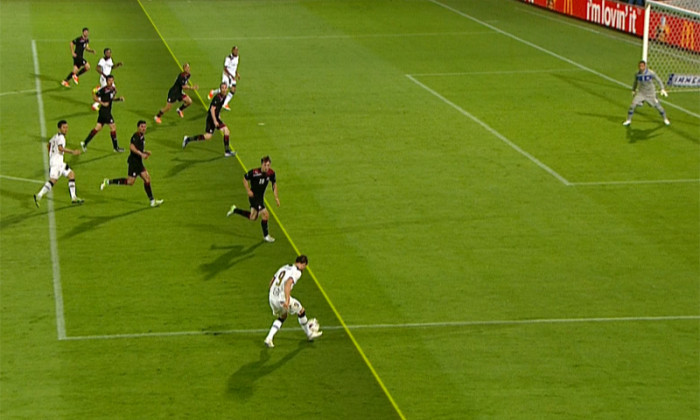
The first type of offside that existed was the “total offside” of 1863 in which the player closest to the opponent’s baseline was at the moment the ball was kicked. From this there were three variations. In 1866 it was offside who at the moment of the kick of the ball, in any area of the field, did not have at least three opposing players in front of him. In 1907 the variation included the field area: you could only be offside in the opposing half of the field. From 1925, then finished in 1990, anyone who is in line with the penultimate opponent is not considered offside, the goalkeeper being the last. If you want to do something fun this weekend you can try to play football with your friends.