
Going on a cruise is one of the best ways to experience a great vacation with your family, alone, with your partner or with friends. Many people today opt for a cruise trip in order to experience new travel sensations. Those who are used to going on a cruise have only one hurry, and that is to leave! For your next vacation, you want to discover new horizons, new landscapes.
You want to discover new cultures. Why not let yourself be tempted by a cruise vacation? In this part of the article, find out 25 things you should know before going on a cruise, especially if this is your first time on a cruise.
Luxury cruises are an original way to enjoy your vacation. One of the advantages of cruising is that it allows you to discover multiple destinations in one trip. It is also an industry that has suffered from the pandemic caused by Covid-19 and the majority of cruises were canceled during the year 2020.
10 Things to know before going on a cruise
You have booked a cruise for the first time, the date is approaching and you are wondering about the organization of this one? Do not panic! In this article we try to answer all the questions you might have.
Take only the essentials in your suitcase
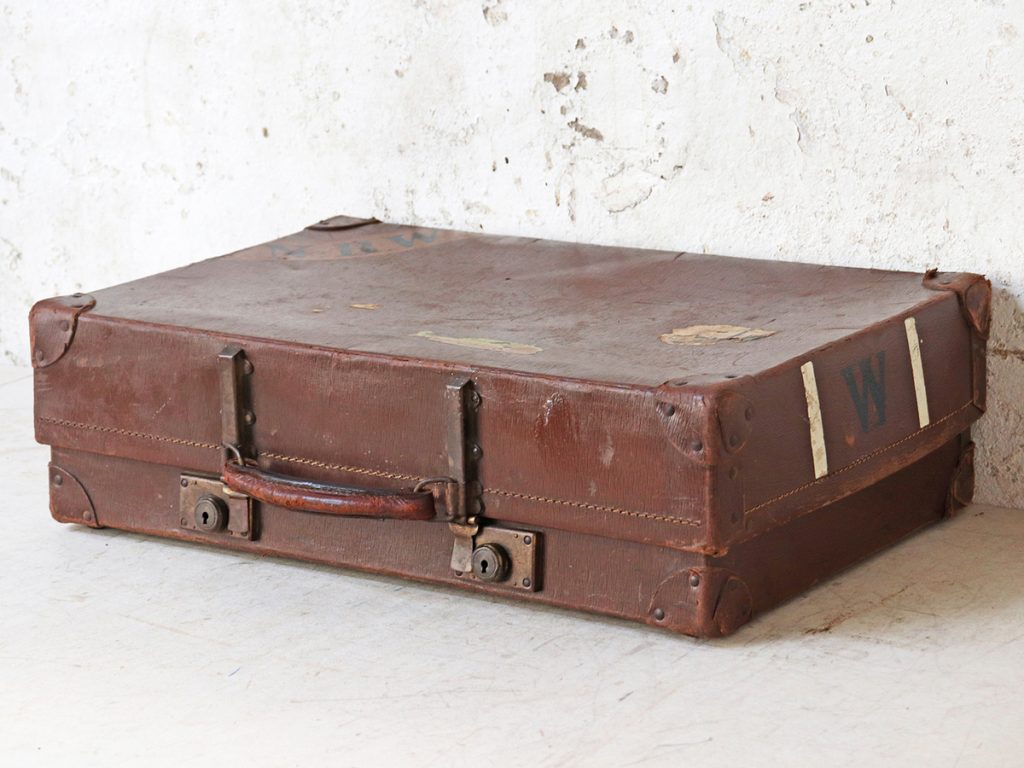
When we go on a trip, we always tend to clutter the suitcase with things that are not even useful to us during the trip. It is advisable to sort it out and take only the essentials to avoid cluttering you. If possible, try to travel light. Take only the essentials with you: toiletry bag, clothes, travel documents, etc. Make a checklist so you don’t forget anything!
Travel documents
Before leaving, remember to check all your travel documents to avoid unpleasant surprises. Passport, visa (s), national identity card, driving license… make sure that all these papers are well stored in your bag or in your suitcase. To avoid stressing yourself out for nothing at the last minute, put them away a few days in advance!
The best period to book
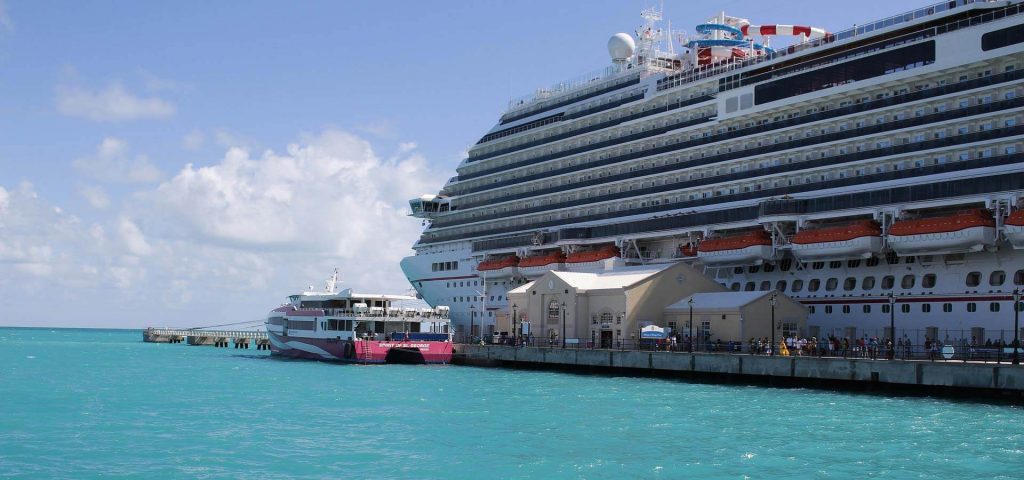
Like air travel, train travel, etc., the earlier you book, the better the rate you will get. The same is true for cruises. Otherwise, companies are also giving exceptional discounts on their cruises at the last minute. So be on the lookout for good deals. But, there is nothing better than booking in advance. You will be able to choose your cabin, your dates, etc.
The choice of the cabin
If this is your first cruise, be sure to inform yourself before choosing your cabin. See you on the web! You will find a wealth of information on how to choose the right cabin. Find out about the cabin types on the boat, the location, the view it offers, the convenience inside, etc.
What about insurance?

When going on a trip, it is strongly recommended that you take out travel insurance. There are many advantages to taking out insurance. Note that going on a cruise does not mean being free from risk (missed departure or delay during boarding, health problem, early return, civil liability, loss of papers, health costs, etc.). It is for this reason that it is essential to always take out insurance. Please check with your insurer for more information.
It is always advisable to prepare your cruise in advance. This will prevent unnecessary stress. All you have to do is choose the destination that inspires you the most!
The start: what you need to know
There you are! The big day of boarding has finally arrived! You can’t wait to get on the ship! One of the important things to remember, don’t be late! If boarding takes place in another city, the ideal is to go there the day before! Sleep in a hotel not far from the embarkation port.
Arrival at the port, drop off your suitcases at the quay. Porters will take care of transporting your luggage to your cabin on the liner. Note that a tip is appreciated by porters. Afterward, proceed to the cruise terminal for check-in. Upon check-in, you will be given a magnetic card. This will serve as your boarding and disembarkation card from the ship. It will also be used to open the door of your cabin. And then be prepared to see the most beautiful islands and beaches in the world.
Tips

The question of tips is still a subject of debate. How much and to whom should we tip? Indeed, the number of employees working on the ship is impressive. Should we tip them all? How to do it? First of all, it is important to note that the tip is not included in the cost of the trip. Generally, it is left in a small envelope at the end of the cruise. Either way, you can very well give it directly to the crew members who particularly helped you along the journey.
Meals on board: how is it going?
What about meals on board? Note that the dining rooms of the boats are not huge as we imagine them. They generally have a capacity of half the passengers. In order to optimize the organization of the service, especially on large capacity boats, there is a fixed service schedule to be observed for dinner. This means that it is essential to book your meals in advance in order to avoid ending up with times that do not suit you. However, there are still companies that do not impose any schedules. The passenger will therefore be able to freely decide on the time he wishes to eat.
Seasickness: what to do?

By definition, seasickness is a form of motion sickness (motion sickness). It is often characterized by nausea, or dizziness (in extreme cases). So don’t forget to take homeopathic or allopathic nausea medication with you. To fight against seasickness, here are also some effective tips: take a walk on the deck (do not stay in the cabin, go to bed early, stay calm, stay hydrated, eat a little ginger (in the form of capsules).
The course of the excursions
Generally speaking, cruise passengers choose an excursion with their companies. It’s more convenient! However, there are those who choose to explore the stopover cities on their own. You have the choice ! If you opt for the first option, you will be accompanied by a guide with the other tourists. You will therefore be guaranteed a pleasant and safe visit.
7 things to know before embarking on your first cruise
Pack wisely for your first and last day

You can start checking in at some ships no earlier than 11:00 am on the day of your cruise; however, your cabin may not be ready until 2:00 p.m. or later, and your baggage may not arrive before 5:00 p.m. To ensure that you get the most out of your day, bring a bag with some essentials: sunscreen, a swimsuit, flip flops, a bikini cover, a camera, sunglasses and all the essentials. value and drugs that should stay with you.
The best times for room service
Most cruise lines include room service in your meal options (excluding some drinks, even if you have the drink package). Be sure to check cut-off times to make sure you place your order with enough time. For example, breakfasts can only be ordered the day before.
Fire-fighting measures
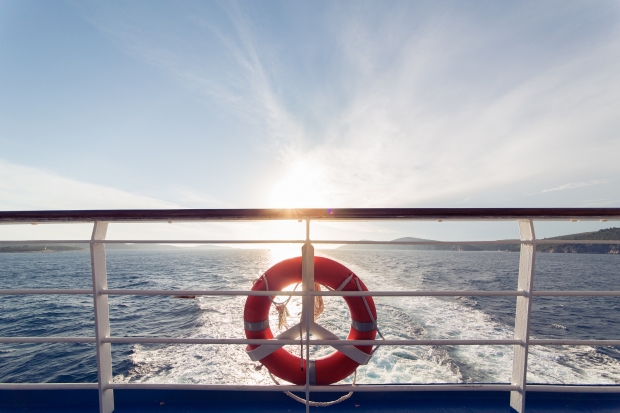
Before the ship leaves, there is a mandatory safety assembly that outlines procedures and meeting places in the event of an emergency. The elevators will be very busy before and after the assembly since the whole ship is in very little space. Bars and cafes close about 30 minutes before the assembly begins, so be sure to grab a coffee and head early to get a seat. After the meeting ends, it might take a long time for you to return to your cabin. If possible, take the stairs to find a good spot to watch the ship going out under sail.
Routes may change
Bad weather, political turmoil, unexpected deadlines and more can lead to missed stops at sea. Sometimes you will be notified before you leave, but other times it happens when you are on the ship. If you take a shore excursion provided by the cruise, your money will be refunded without you having to do anything. If you’ve booked private taxis or a shore excursion with a third-party company, be sure to check the cancellation policy and what to do if your port day is canceled.
Maximize your meals

Cruises are renowned for exceptional food. The great thing about this is that you aren’t limited to one serving of each appetizer, starter, and dessert. You can order two starters or three desserts or any combination you desire. You can also order appetizers portioned appetizers to start or order a few appetizers for your main meal.
Annex vs dock
There are two ways that your ship will arrive at the port. The first is the docking at the cruise terminal. This procedure is easy and you can embark and disembark quickly when you arrive at the port. The dinghy is the other option, which usually allows larger vessels to enter smaller ports.
The boats will moor further from the coast and you will board a smaller boat back to town. With side ports, you will usually need a side ticket, which you may need to line up early in the morning (usually only one person per group needs to take passes for the rest of the group). If you have booked an excursion with an off-cruise company or a private tour.
Internet

Staying connected on a ship can be expensive, as well as a bit slow. While WiFi access is becoming more common on cruises, it can still cost you a lot of money. Try to find wifi when you get to the ports. A few beach bars, restaurants and shopping complexes may offer free Wi-Fi, or offer Wi-Fi access if you use their services, a cheaper alternative to buying on board the ship. Turn off the data connection on your cell phones and tablets to make sure you don’t incur international charges. If you turn on airplane mode on your phone, you can still use the camera function to take photos.
8 Useful tips for your first cruise
Print all your documents
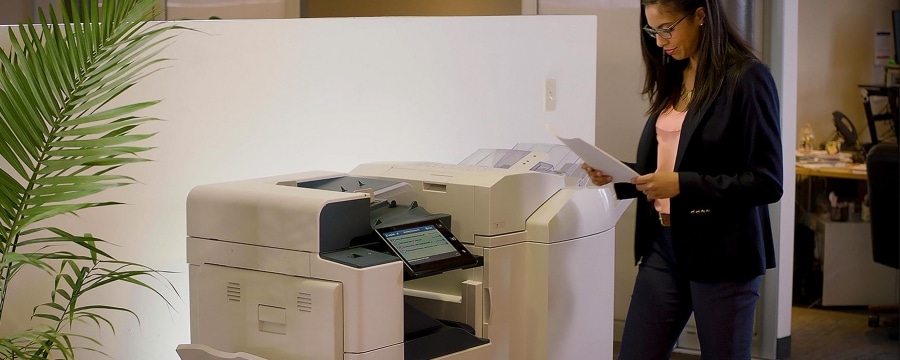
For more convenience, print all the documents concerning your cruise: confirmation of your reservation, your tickets, your purchases and reservations in advance, or your special advantages such as credits on board or promotion on drinks. The most important document is your boarding pass issued a few days before departure, which you must absolutely keep with you for the duration of the cruise. It allows crew members to identify you as well as to book activities, restaurants and also to pay on board.
Complete your online registration
Once your cruise has been booked, go to the company’s website to complete the online check-in by completing certain additional information such as a telephone number to contact in case of emergency or even an identity document at send. Sometimes some shipowners require it 5 days before departure. This online check-in speeds up the boarding process.
Review the excursions offered

Some excursions offering guided tours or discovering picturesque sites have a limited number of places. So if you absolutely insist on certain visits, we advise you to book in advance. However, you can always book the excursions that interest you directly on board. On the other hand, if you wish to visit a stopover independently of the proposed excursion, this is of course possible.
Your luggage
When you arrive at the port, your suitcases are taken care of by the porters who bring them on the ship and then in your cabin. Be sure to tag your suitcases in case of loss or exchange with other suitcases on board. The bearer can provide you with handwritten labels. Also make sure to take a small backpack with all the things you will need once on board as you will not have access to your cabin immediately after boarding.
Explore the ship

Once on board the ship it is the perfect time to visit it. Usually a plan of the vessel is provided to you in your documents. In your cabin, you will find a logbook in which are indicated all the activities, the stops served and the daily program of your cruise.
Take part in the safety drill
This exercise is compulsory! All passengers are called and must attend. The crew members will give you all the safety instructions. It only lasts about twenty minutes.
Unpack your suitcases
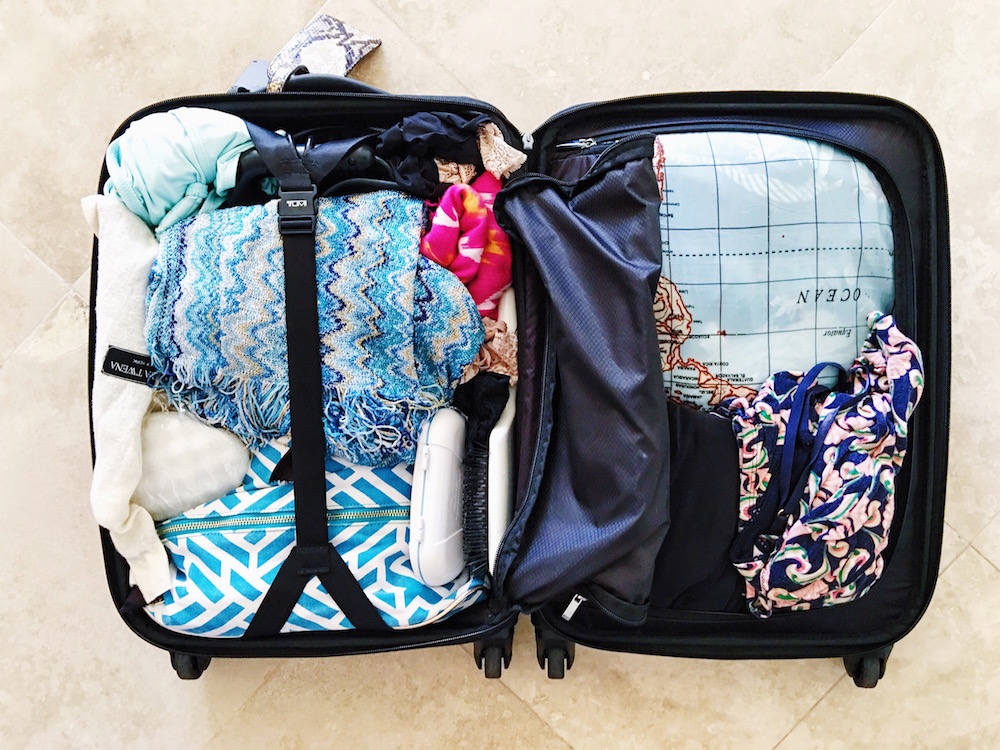
Finally discover your cabin. If something does not suit you or is missing, contact your cabin steward or reception. Put your things in the cupboards and finally enjoy your vacation! You are now ready to have a pleasant stay and let yourself be carried away by the waters of your first cruise and visit the most beautiful cities in the world.
Take out third-party travel insurance
As the saying goes “prevention is better than cure”. However, with insurance you will be guaranteed to be taken care of in case you fall ill or if you have to be evacuated and then repatriated.