
Although there is a trend towards standardization conveyed by fashion and the media, there are still beauty rituals that vary from country to country. From Asia to Africa via South America, here are some beauty standards which may seem unusual to us but which appeal beyond our borders.
It goes without saying that cultural heritage influences the way we dress or cook. But what about our beauty gestures? The makeup that we wear, our skincare rituals or even our hairstyle: there is not a culture that ignores beauty in its traditions. Between an Iranian woman who wears kohl like a punk, an African from Zimbabwe who fled oppression to regain the right to control her body and her look, here is the different beauty standards in countries around the world.
The perception of beauty in the world
That is what is said and well said! Beauty is subjective and there are as many kinds of it as there are women and men on earth. Unfortunately, the trend is towards standardization and the criteria of beauty, whether they come from Asia, Africa or the Americas, all come together. In this article, we have decided to ignore this unfortunate globalization of beauty conveyed by the media and Hollywood. Rather, we have focused on the perception of beauty in certain regions of the world, which confirms that there is no one truth of beauty, nor a single representation of the ideal woman or man.
Madagascar: A beautiful spirit and a nice smile
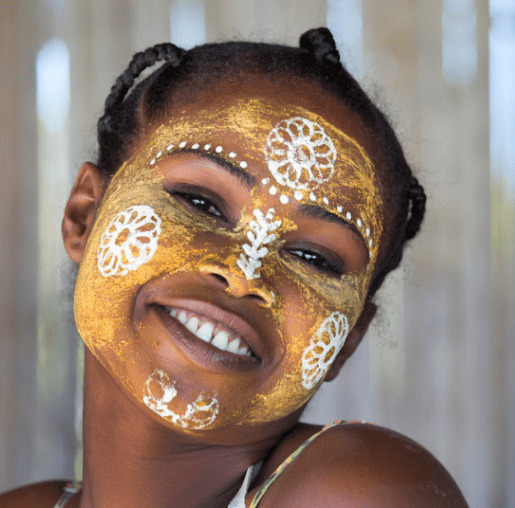
On the Big Island, inner beauty is just as important as outer appearance. To illustrate her remarks, the local advisor Tahiry tells that some of the Malagasy proverbs that go in this direction: “In Madagascar, we say for example, Tsara ivelany ohatran’ny ny fasana, which literally translates as pleasant to see from the outside, like a tomb. We also say, Aleo ratsy tarehy ka tsara fanahy, toy izay tsara tarehy fa ratsy fanahy, in French. It is better to be ugly and good, than to be beautiful and mean.” Besides,”tsara” which means beautiful, can also be translated as good, or even good.
“Beyond the spirit, the Malagasy also have some parades of seductions. For example here, when the temperature reaches its peak, the women spread a mixture on the skin made of sandalwood powder and water. The “masonjoany” is first and foremost a natural protection against the sun, but over the years it has become a fashion accessory in its own right. When we question Tahiry, she sums up the Madagascan beauty with “pretty braids, a pretty smile and beautiful drawings of” masonjoany.”
China: the tradition of lotus feet
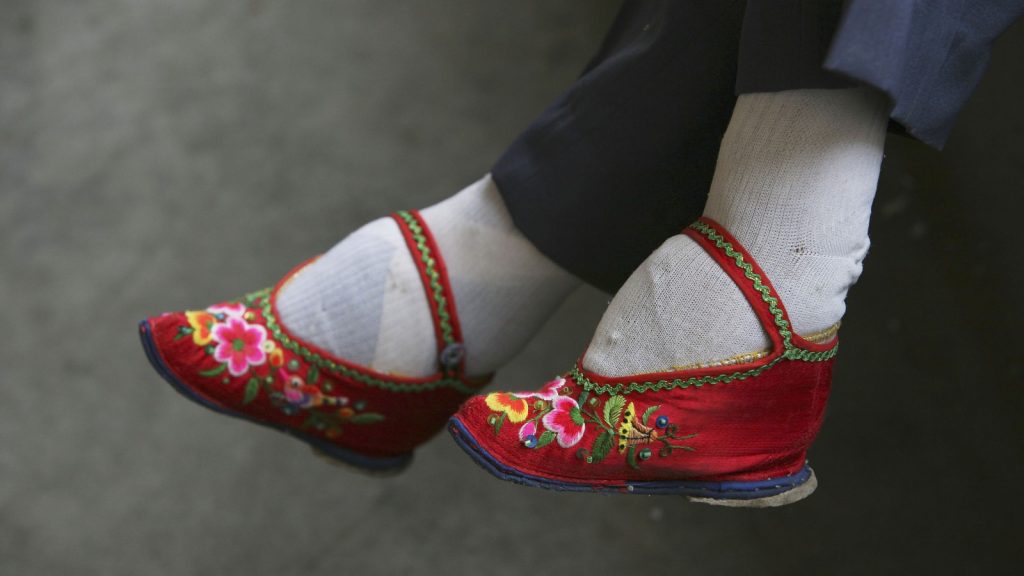
Over the years, China has known for many traditions that women followed in the hope of appearing beautiful in the eyes of their peers. Successively androgynous, frail then round and strong, the Chinese woman has gone through all fantasies. The most surprising custom comes from the Qing dynasty (1644-1912). At that time, fashion was thin. The more fragile and pale a woman appears, the more she responds to the canons of beauty of the time.
This is nothing original except: the little feet were a real asset of seduction. Thus, from an early age, the feet of Chinese girls were bandaged in an extremely tight way in order to keep this smallness. Little girls’ feet could not exceed six inches. By force of bandage, their toes were found under the sole of their foot which then resembled (looking carefully) a lotus flower, symbol of beauty and purity in China. Having small feet was, amazing as it might seem, a guarantee of finding a good husband and thus climbing the social ladder. At 19th century, this tradition, described as torture, began to be debated and was finally abolished in 1911.
India: natural beauty
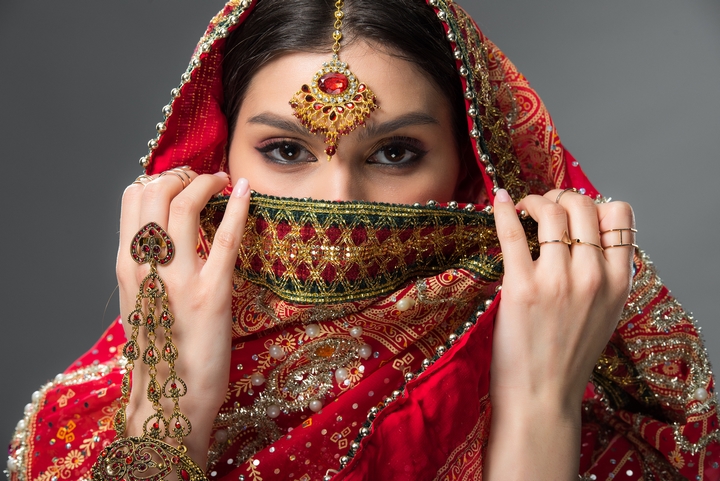
In this country where the cities have colorful nicknames (Jodhpur, “the blue city”; Jaipur, “the pink city”,…), beauty is everywhere. In the magnificent and majestic temples superbly highlighted, in the outfits of women and men, in jewelry, in makeup and even in the spice markets, on their colorful stalls. Considered in India as an expression of devotion, beauty occupies a very special place in the daily life of the inhabitants. Here, the use of cosmetics dates back to the dawn of time. But although the world is becoming more uniform, there is no question for Indian women to abandon their criteria of beauty which are rather passed down from generation to generation.
Even today, the complexion must be clear, a symbol of belonging to a high caste. Women’s hair should be black, long and very thick. The skin should be smooth, clear and without blemishes. For this, Indian women use natural products that they themselves manufacture from earth or spices, rejecting all beauty products from the West. Finally, the bindi, this little red dot located between the two eyes, beyond the spiritual dimension, also has an aesthetic side. If it symbolizes the 3th mystical eye of a person, today it has become a real fashion accessory. Women no longer hesitate to replace “kumkum” – the red powder made from leaves – with a sticker that matches their sari.
Ethiopia: the beauty of Mursi women
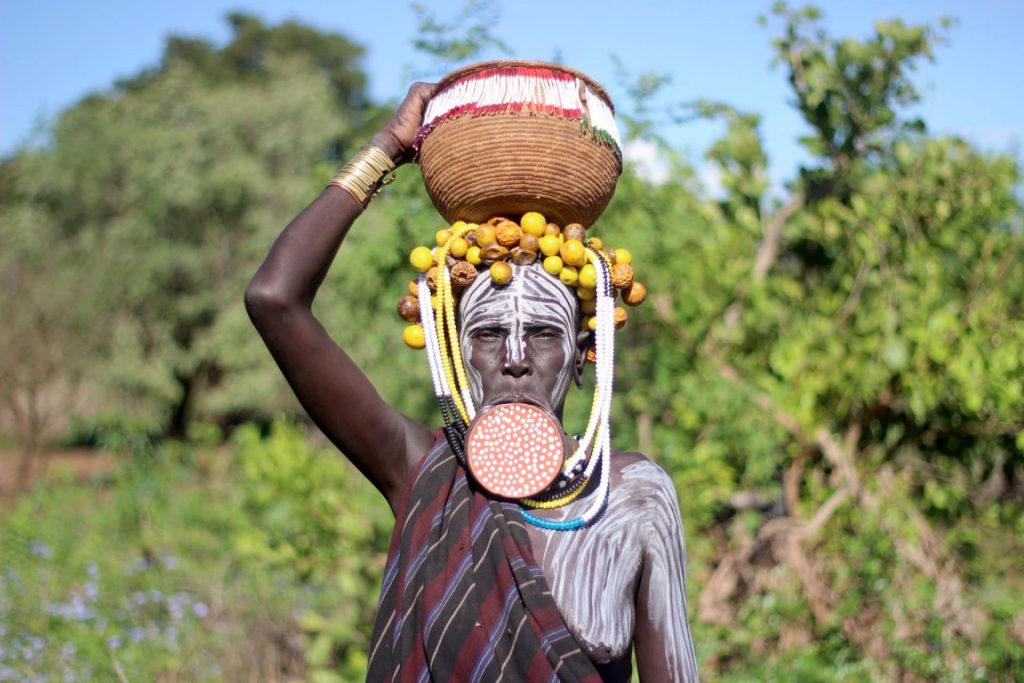
You have certainly already seen them in photos; such a silhouette, it is not forgotten! They astonish and fascinate because they have worn for many generations the labret, this lip ornament which has earned them the inglorious nickname of “women on the plateau”. Before the age of 10, young girls belonging to the Mursi group in Ethiopia have their lower lip pierced with a wooden peg, then replaced by a clay cylinder that grows with them from year to year.
Some ornaments can be up to 12 centimeters in diameter. This disc, called “dhebbi”, is considered a real gem for this tribe and is often decorated with pretty engravings. If the origin of this custom is not known by anthropologists, some have nevertheless taken the liberty to put forward some hypotheses. For some, this tradition is quite simply a sign of belonging to a group; for others, it aimed to make Mursi women undesirable so that they would not be kidnapped by rival tribes. This second hypothesis is a paradox when we know that today, these lip ornaments serve above all as a parade of beauty and seduction.
Colombia: the kingdom of beauty queens
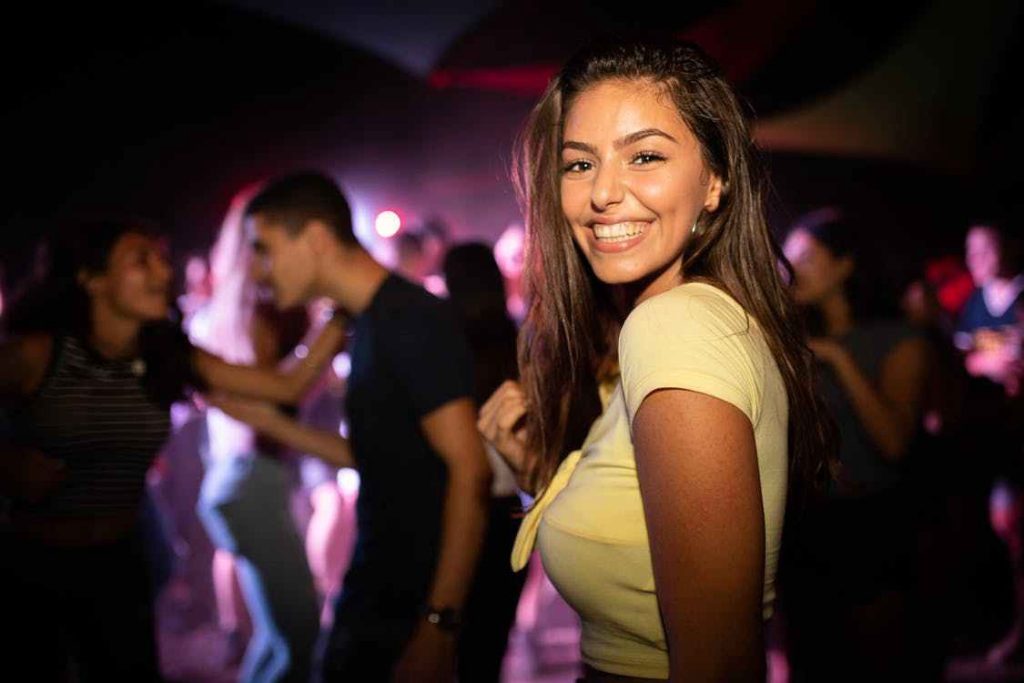
Colombians have the reputation of being the most beautiful women in the world and it is true that they come very close to universal beauty criteria: long hair, tanned complexion, plump buttocks, generous breasts, petite even thin… This quest for the perfect plastic is also considered for some Colombian women as the key to success and the secret of their social rise in the country.
Result: the practice of cosmetic surgery has exploded in large cities for several years in Colombia, propelling the country to the rank of the largest follower of this practice in the world. In the same way as the beauty contests which trigger a great fervor in Colombian cities, the “reinadas” are, here, the national sport. Each public structure – school, university, prison – and each district organizes its own beauty contest: miss tourism, miss cocoa, miss banana,… Some towns are fortunately starting to concern themselves with the image of women conveyed by these “misses” which are not the reflection of reality and some have even decided to limit them, if not to ban them.
Asia: the cult of white skin
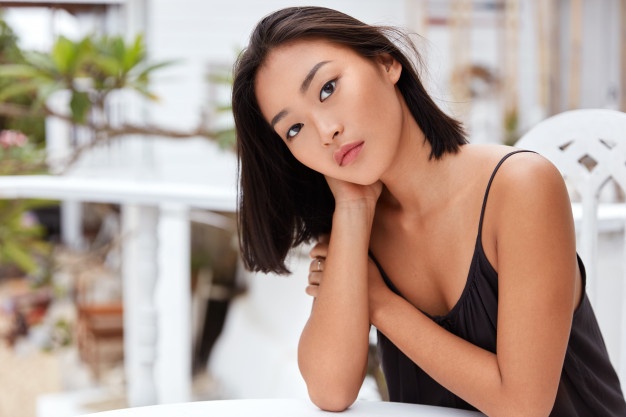
On our side of the world, we say of someone who is pale, that he does not look good, that he has a pale complexion or that he seems sick. In Thailand, on the contrary, to say that someone is “dam-tap-ped” is an insult and “khwaaw suay” (“pretty white”), the most beautiful of compliments. In Asia, tanning is excluded and it is protected with the help of large umbrellas on days of too much sun. China, Korea, the Philippines, Japan, Thailand, all these countries are unanimous: beautiful women are white.
This fair complexion, symbolizing purity, wealth and well-being, has been valued for many years in Asia but now seems to be experiencing a revival with the influence of Hollywood stars and Korean pop. The mannequins that adorn the walls of cities on huge advertising posters are maddeningly white. It didn’t take long for the powerful cosmetics industry to catch hold of this phenomenon.
Brazil: the “corpo de violao”
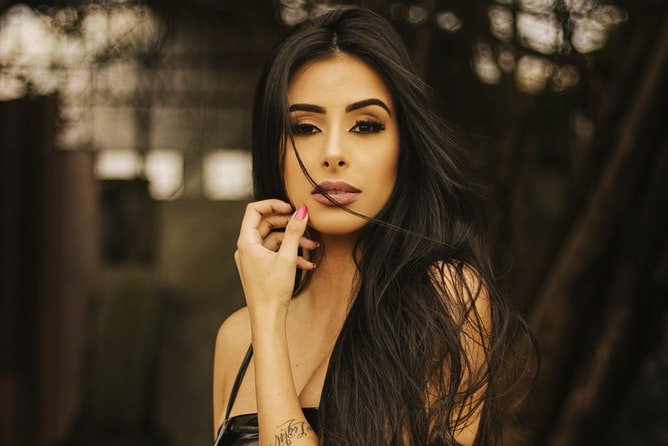
The myth of the Brazilian, beautifully tanned with wild hair, basking in undress on the beaches of Rio de Janeiro is ultimately not so far from reality. Since here we live outside all year round, having a beautiful body is an essential criterion of beauty for Brazilians. There is also a ready-made expression to qualify a perfect body according to them: “corpo de violao.”. Very colorful, we can easily guess which parts of the body Brazilians set their sights on. A slim and slender body is not the definition of a beautiful body in Brazil.
On the contrary, a woman with a plump buttocks and a generous chest is much more valued. Unfortunately, this image of the ideal body pushes many Brazilian women to turn to cosmetic surgery, making the country one of the hubs of this practice. In addition to their body, Brazilian women pay infinite care to their hair, without any problem with hair loss, which they coat with oil so that they are always longer and silkier. On the other hand, they engage in a fierce fight against any other hairiness. Being in a swimsuit a beautiful part of the year, it is inconceivable for them that a small hair does not protrude.
Japan: we bring out its childish side
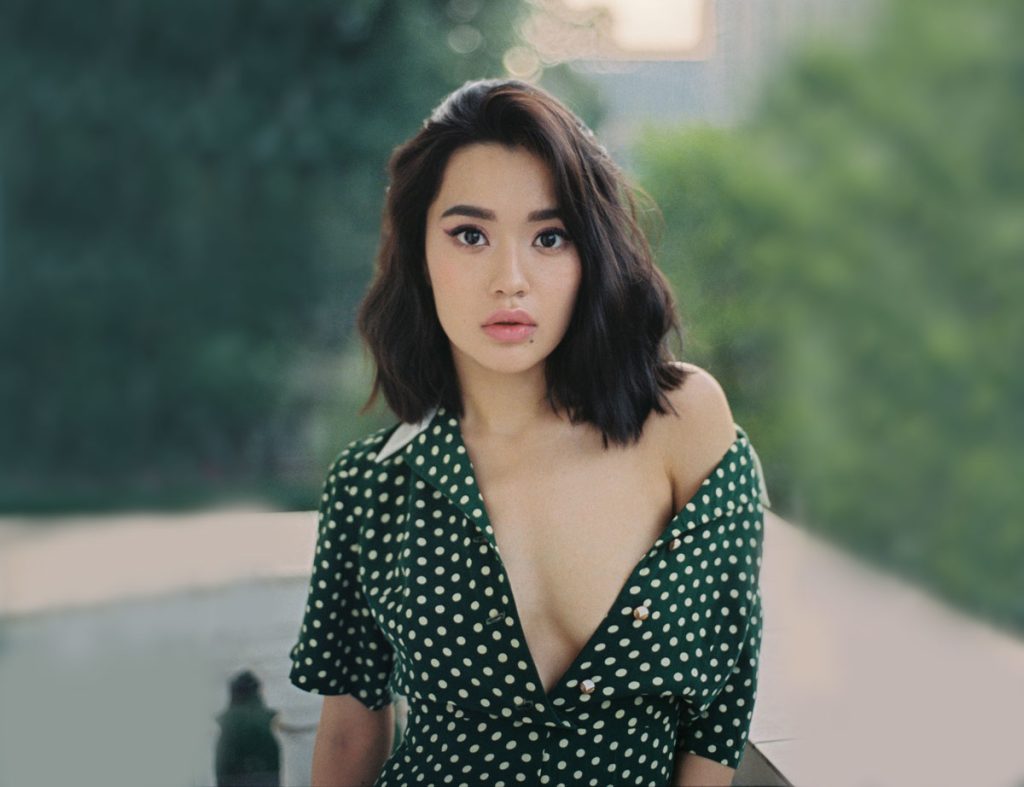
Japan, a country of both schizophrenia and legendary complexity, once again ranks first in terms of unusual beauty standards. In a country where “kawaii” is a religion and where the representations of the most beautiful men and the most beautiful women are manga, it is not surprising that the standards of beauty are a bit eccentric. To stick to the canons of Japan, Japanese women just need to follow a very simple rule: appear as childish as possible. There are several techniques for this. The first: big innocent eyes, the bigger and rounder they are, the better! Some women do not hesitate to use cosmetic surgery to have their eyes unbridled. Second technique: be mannered with a small high-pitched voice and capitalize on your “cute” side. Third technique, the strangest: having crooked teeth and especially prominent canines.
Yes yes, you read that right. This phenomenon even has a name in Japan: “yaeba” which means “multi-layered.” Misaligned teeth give the Japanese that childish side that the Japanese love so much. There are even orthodontic practices that agree to twist the teeth to achieve this type of result. Finally, the skin must be white and pure, even if it means using products that are dangerous to health. There are even orthodontic practices that agree to twist the teeth to achieve this type of result. Finally, the skin must be white and pure, even if it means using products that are dangerous to health. There are even orthodontic practices that agree to twist the teeth to achieve this type of result. Finally, the skin must be white and pure, even if it means using products that are dangerous to health.
Central Africa: the cult of curves
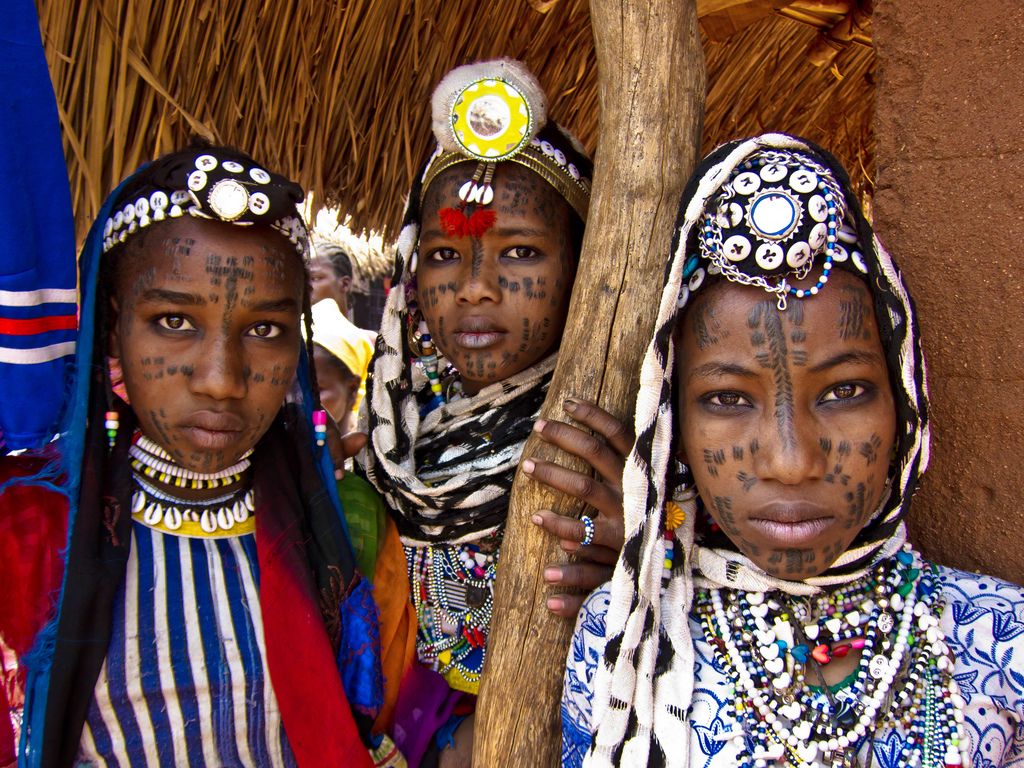
Although we cannot put all the countries of the continent in the same basket, a trend still stands out in Central Africa in terms of beauty criteria. To be considered beautiful, a woman must have curves, or even be frankly overweight. Here, thinness is associated with poor nutrition and disease, while a plump woman is, on the contrary, associated with wealth. Because beyond being an undeniable beauty criterion for the African, it is also the testimony of the social success of her husband. Today, many beauty contests are organized in several African countries rewarding strong women with a natural and harmonious body. A Moorish proverb even says “that a woman occupies in the heart a place equal to her volume.”
Unfortunately, each whim has its drifts. In Mauritania or in the Republic of Congo, a phenomenon of force-feeding appeared a few years ago, consisting in fattening oneself or pre-pubescent little girls with vitamins for animals with a view to a rich marriage. Fortunately, today this practice has almost disappeared and campaigns against obesity are beginning to circulate in the countries of Central Africa.
Burma: To be beautiful is to be good
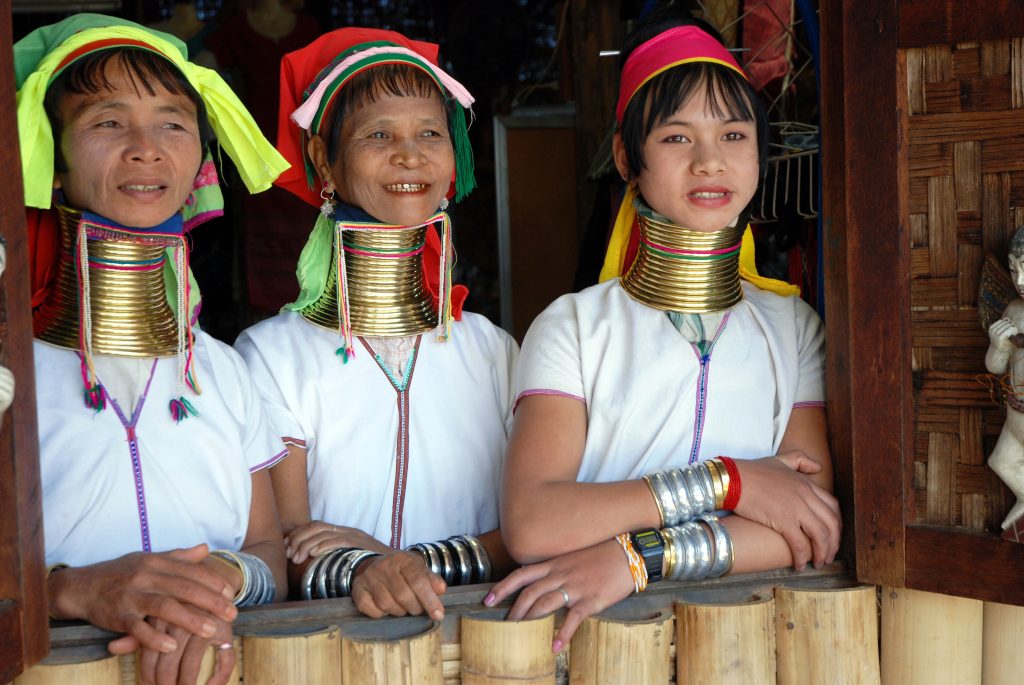
According to the Burmese, to be beautiful means that one has reached an advanced state of spirituality and that one has risen to a higher level in the ladder of reincarnation. So, to say of someone that he or she is good looking / beautiful physically is similar to saying that he or she is a good person. In Burma, a woman must above all be very feminine, and right down to the fingertips, please! Having long, straight hair down to the buttocks is highly valued. Burmese women are no exception to the Asian rule advocating fair skin and complexion. This is one of the (many) reasons they apply a white / yellow colored cream called Thanaka every day. This vegetable mixture is made from logs that you can find in any market. Its use dates back more than 2000 years.
Tanzania: Maasai beauty

Their slender silhouettes, draped in large red clothes can only find thanks to the sharp eyes of the greatest fashion experts. The Maasai are a people very concerned with their appearance and have mastered the art of accessories to perfection. Their jewelry and body adornments hold a central place in their appearance and in their perception of beauty and seduction. Women in particular wear large necklaces of multicolored pearls that they like to pile up in layers around their neck, like a ruff. The vast majority of them (both women and men) have their ears pierced with large holes through which they pass all kinds of metal, pearl or wood ornaments.
The creation of these adornments is an integral part of the tasks that Maasai women must perform and the technique is passed on from mother to daughter. Their outfit is also very codified. Maasai women and girls, for example, shave their heads. Long hair being reserved for warriors to symbolize the lion’s mane, women with short hair symbolize, logically, the lioness. In terms of clothing, the men, half-naked, only wear red, in reference to the ocher that surrounds them on a daily basis. Women, on the other hand, are allowed to add touches of blue and green to their drape women with short hair logically symbolize the lioness.
Essential things used in oriental beauty
Since the dawn of time, the beauty secrets of oriental women are no longer to be proven. The Queen of Sheba was already taking mud baths and was used to clay masks. As for Nefertiti, she coated her body with shea butter. The most famous queen, Cleopatra, immersed herself in donkey milk baths and traced the outline of her eyes with kohl, giving it all the charm and specificity that we know it. These beauty secrets are well kept since they have been passed down from generation to generation.
The essential Hammam
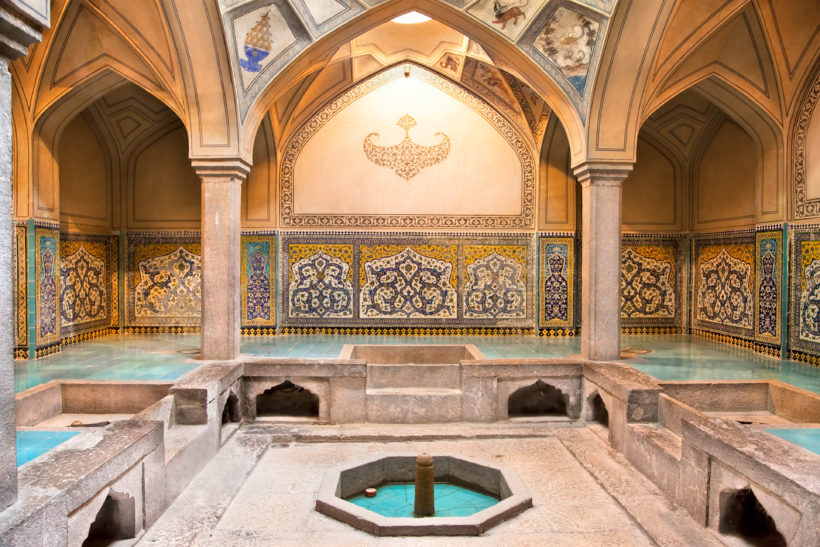
The benefits of the hammam are widely recognized. It is also one of the pillars of the oriental tradition. But did you know that this one stems from the Greco-Roman civilization? Indeed, the ancestor of the hammam is none other than the Roman thermal bath which appeared in the 4th century BC. This practice is spread in the Middle East for reasons of hygiene but also religious, related to the purification necessary before the prayer. Unlike thermal baths in cold baths, the hammam means” source of heat. ” Also called Turkish bath or Moorish bath, it is a high place of spirituality but also occupies an important place in social life. It is conducive to relaxation as well as muscle relaxation.
Black Soap
It is an integral part of the hammam ritual. The cradle of the first soaps is none other than Syria, more than 3000 years ago. The soap or soap Beldi, is a derivative. It comes in the form of a paste, composed of olive oil and vegetable soda rich in vitamin E. It therefore has moisturizing and exfoliating properties but remains very gentle on the epidermis. Tradition has it that the body is wrapped in black soap in order to exfoliate the skin. It is using a so-called “kessa” glove that the exfoliation is done in circular movements. It relieves the skin of all accumulated impurities and prepares it to receive the following treatments. This is an economical and ecological product that will do wonders for your skin. You will thus find a soft and hydrated skin thanks to this oriental beauty tradition.
The Ghassoul
Ghassoul means “to wash” in Arabic. It is a volcanic clay loaded with trace elements and mineral salts. In the Eastern tradition, this soft clay is offered to young brides in order to prepare for the ceremony. It is one of the only clays with hydrophilic characteristics. In other words, it is endowed with a strong absorbing power. Mixed with water, the ghassoul takes the form of a creamy paste, which completes the black soap exfoliation previously carried out. Its absorbing and purifying power is quite incredible!
This wonderful clay in particular will delight people to combination skin, for oily skin or reactive sensitive skin . Without surfactant, ghassoul respects the hydrolipidic film of the epidermis. Thus, it helps treat excess sebum without drying out the skin. Your pores will then be tightened and your skin purified. You can use it as you wish as a scrub or mask, on the face, body or hair.
The Khôl
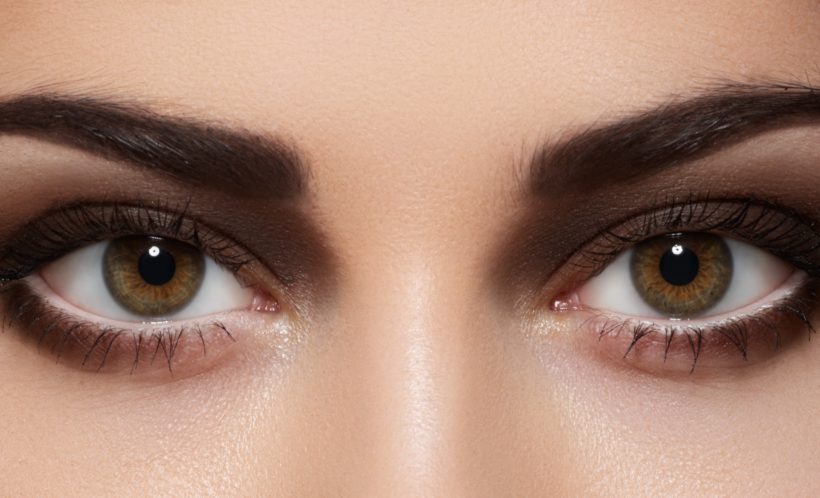
In antiquity, the Egyptians painted their eyes with kohl. There was a time when applying kohl was synonymous with belonging to a high social class. Then, men, women and even children then used it for medicinal reasons. Indeed, kohl is, in a way, the ancestor of eye drops! During Antiquity, he treated the infection of the eyes while protecting them from the sun, sand and desert wind… But not only! Thus, the Egyptians surrounded their eyes with this black make-up by drawing the magical eye of Udjat. This enabled them to acquire the protection of Horus against evil spirits. Then, the Khôl took a more aesthetic place over the centuries, being linked to the beauty of the gaze.
But what is kohl? At the time, these were mineral powders, animal fat and lead sulphide, extracted from natural galena. It comes in different colors: black, gray or blue and is applied, at the time, with a wooden stick around the eyelids. Rest assured, the composition is not the same today.
Kohl is still in its original form, but good news, it’s also in pencil form! Much more practical to apply for those who wish to take the plunge. It intensifies the gaze and gives an air of mystery.
You can apply it in the same way as an eyeliner for queens of make-up. Its melting texture glides over the eyelid! Cat’s eyes to you! For the less expert, it can also be applied flush with the eyelash. You can blend it with a brush to create a halo that will highlight your eyes. Be careful, however, this last technique should be avoided if you have small eyes, it will not have the desired enlargement effect.
Henna
Realize, the use of henna dates back to around 9000 years in Turkey! It was already used as a tattoo. These tattoos were then linked to the polytheistic beliefs of the time. This was to ensure the protection of the fertility goddess. In Egypt, the first tangible traces of henna were found on some mummies. In particular those of Queen Hatshepsout and Pharaoh Ramses II, whose hair and nails have been colored with henna. It was much later, in the 12th century, that the tradition of henna tattooing took on a more aesthetic form. Before the wedding ceremony, it is carried out on the hands and feet of the bride and groom to bring them happiness.
But what is henna? These are dried leaves harvested from a thorny shrub of the Lythraceae family. These sheets are provided with a natural dye, lawsone. When they are reduced to a powder and mixed with water, a paste is obtained which varies from chestnut to orange.
Nowadays, henna has democratized and is used for hair care. Henna colorings are natural. They restore shine to the hair without modifying the original color, just by adding pretty highlights. Henna makes it possible, in particular to hide small white hair without going through the coloring box which weakens the hair. A good alternative, isn’t it?
The Soap of Aleppo
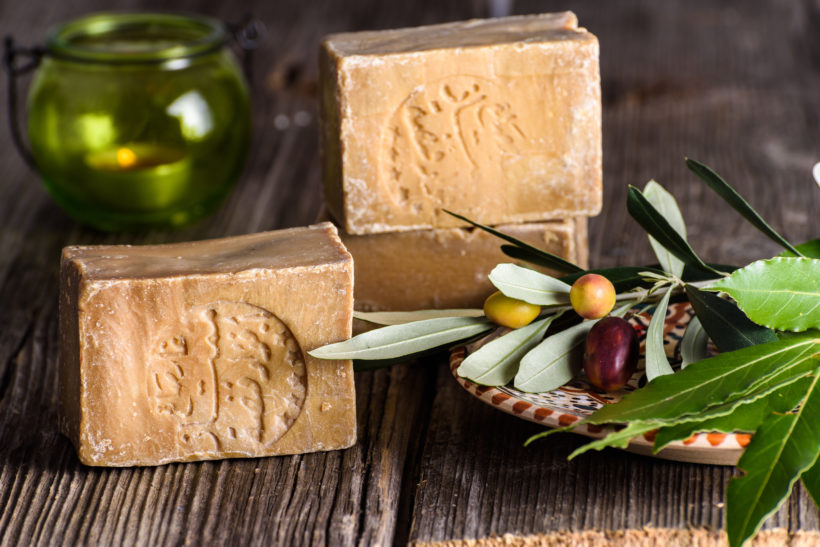
This was seen above, we find the first writings about soap on Sumerian tablets dating back over 3000 years. At the time, it was a question of mixing vegetable ashes with vegetable oils. Aleppo soap is none other than the oldest solid soap in the world and its birthplace is Syria. From the 12th century, artisanal soap factories developed. This natural soap then circulated in oriental palaces, used by princesses and women of high lineage. Big brother of Marseille soap, it is composed of olive oil, bay laurel oil, water and vegetable soda. This composition makes it a true natural surgras product according to an ancestral traditional artisanal method.
Do you want to adopt it? You would be right. Very economical, it has moisturizing, softening and soothing virtues, linked to the vegetable oils that compose it. The dry skin and delicate tautness victim may in particular look to the Aleppo soap for regular cleaning. Surgras, it therefore does not dry out the skin and respects the skin barrier. Take care of your skin, yes, and very gently, thanks to this oriental beauty tradition!
Argan Oil
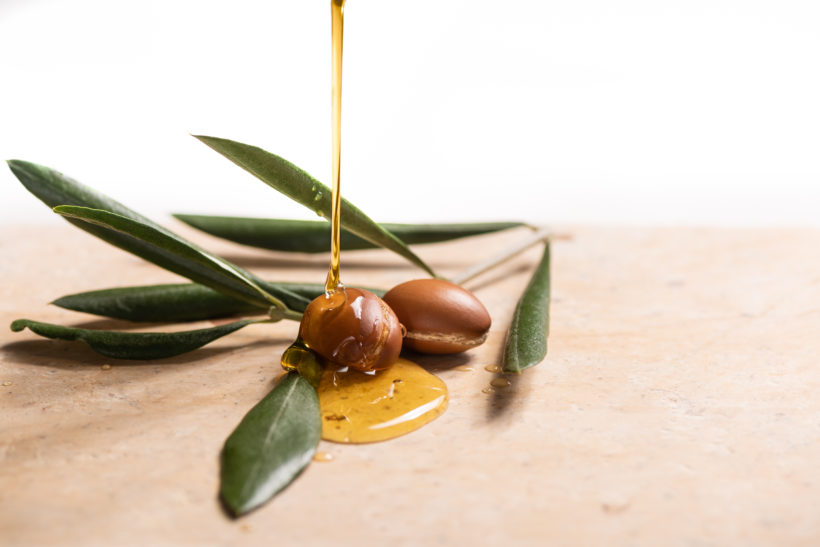
Notice to dry, split and / or colored hair ! Argan oil will nourish the hair fiber in depth, strengthen them and restore shine to your hair. You can incorporate it into your shampoo or your usual hair mask and see a glaring difference! Also use it directly on your damaged ends by heating the material between your hands and distributing it over the weakened lengths. Leave on for a few minutes or (even better) overnight, then wash your hair. A guaranteed shock ally!
The Orient is full of secrets: natural and effective products used since ancient times! History invites you to go back to basics, to raw and healthier products, dating back millennia. These work wonders on the skin, body or hair. In addition, their use remains simple and easy to incorporate into your beauty routines!
Traditional beauty of women
Even though fashion today tends to be more inclusive towards people who don’t fit the dictates of fashion, some of us hate fashion. Because as one of the greatest fashion designers said: “Fashion changes, but style persists”. Coco Channel, one of the most famous fashion designers, claim has never been truer than in modern western societies, the styles are so many and different that we can’t really know what the style means yet.
The natural chic of France
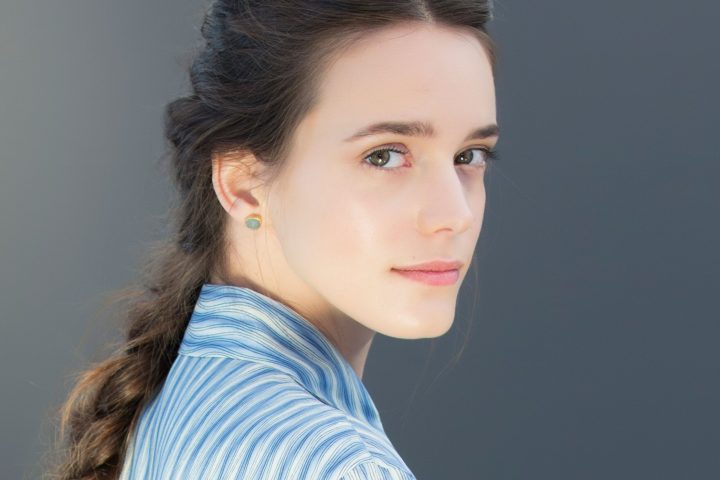
France has always been a country of countryside, but also the country where fashion has exploded. Here, the beauty trend remains in “natural chic”. Women prefer cleansed faces, as in France it is generally believed that the most beautiful women look effortlessly glamorous and graceful. Beauty routines are passed down from generation to generation and, above all, French women tend to love their body as it is. The eyes aren’t made up, the lips are red, the hair is tied back in a messy bun, and that’s it. And the final touch: a perfume, and an expensive one.
The sensuality of Italy
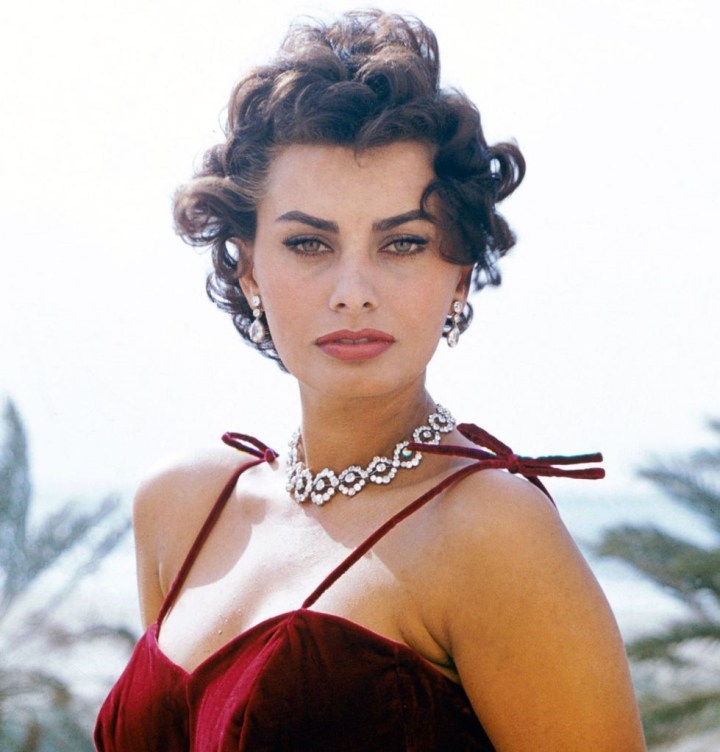
Ah… The mere mention of his name makes me dream! Italy is known to have the most beautiful women in Europe, and perhaps even in the world. What seems to matter to Italian beauty standards is sensuality. And although they tend to take care of themselves to maintain natural beauty, Italian women have a sense of style, just like men. This treatment includes sunscreen and a suitable diet to maintain beautiful hair and beautiful skin. On the styling side, eyeliner, black mascara and bright red lipstick are needed to reveal the sensuality of Italian beauty. The hair is appreciated long and healthy, proof of a sexy elegance.
The mystery of the Amerindians
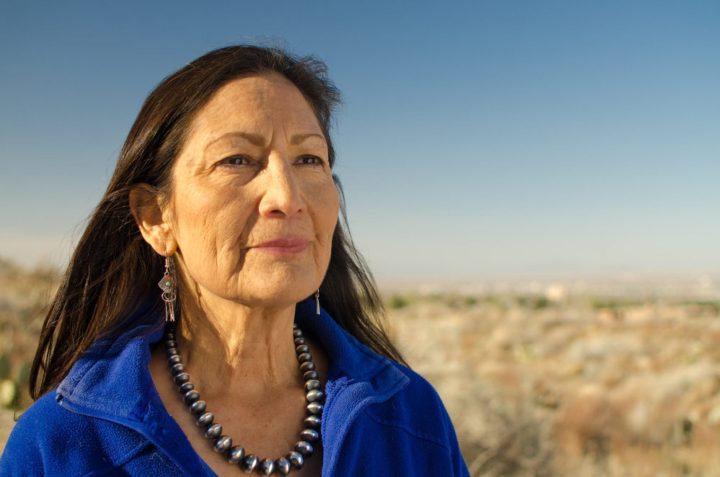
In some tribes there is a belief that a person is made up of four elements: a physical part, an emotional part, a mental part and a spiritual part. Together, these four elements form a person who must bring positivity to these elements to have a balanced life. But the Amerindian community is still evolving in a society that has abandoned them. Popular beauty standards in America do not match their culture and traditions. As a result, many Native American women feel like outcasts. With recent movements for Native American rights, women tend to show themselves as they are: the descendants of a persecuted nation. And their history, that of their tribe and their families.
The simplicity of Myanmar
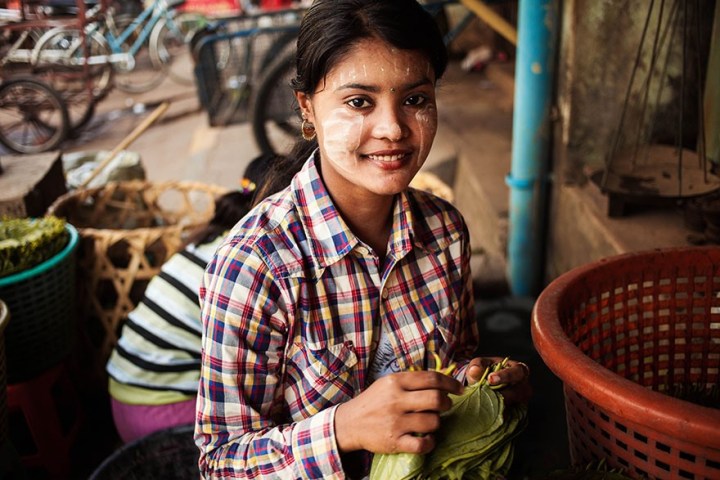
In Myanmar, beauty is synonymous with good. If you are good on the inside, you will be considered good looking. But if one were to present more concrete beauty standards in Myanmar, women have straight and long black hair, reaching their buttocks. In addition, they cannot escape the Asian law of fair skin. Each country in Asia, to achieve this standard of beauty, has its own method. In Myanmar, women use a light yellow cream called ‘thanaka’. Plant-based, this cream is similar to the Masonjoany powder used in Madagascar. Burmese beauty for women is also complemented by traditional costumes and hats, in bright colors.
The elegance of China
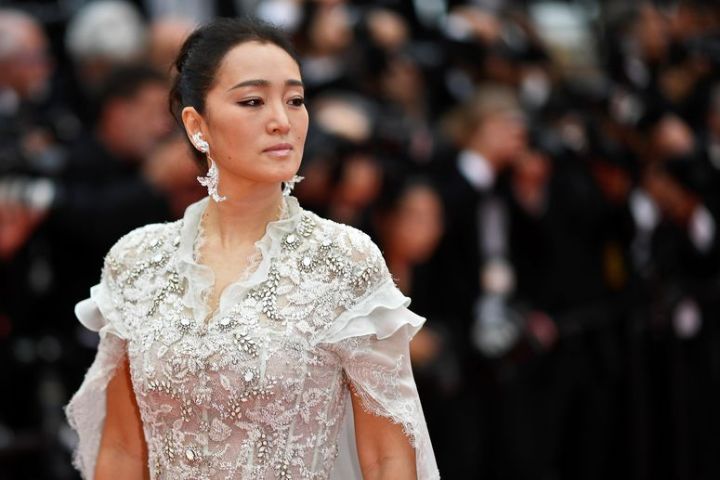
Chinese women have gone through all beauty dictates: from curvy and fat to thin and skinny, they have embodied every fantasy in Chinese history. But one particular tradition stood out from the rest. From the 17th to the 20th century, the more fragile a woman appeared, the more beautiful she was. But special attention was paid to her feet and, if they were small, she was pure beauty. But small in a special way: in fact, since they were toddlers, Chinese women have had their feet tightly bound to keep them small. With this technique, their toes descended on the soles of their feet, making the foot look like a lotus flower, symbol of purity of China.
The indigenous beauty of Brazil
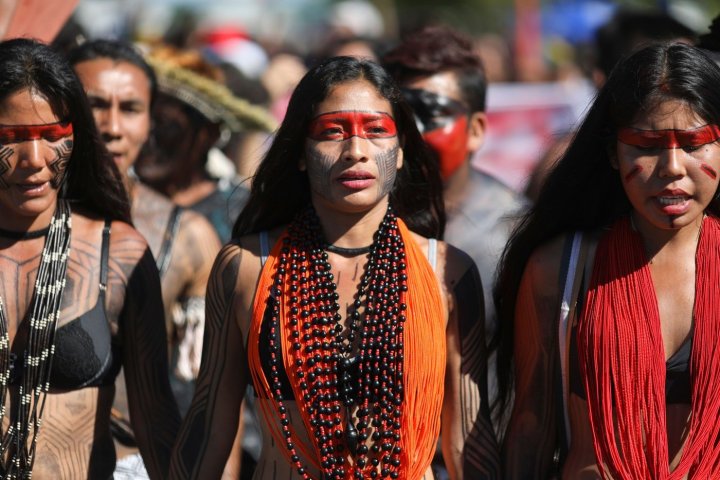
Alright… We’ve all heard of the mythical perfect body. And it seems that in Brazil, women have everything to be perfect. Tanned skin, wild hair and still in a swimsuit on the beaches of Ipanema and Copacabana. The point is, since Brazilians live outdoors almost every day, a perfect body is mandatory. Contrary to popular belief, the athletic, slender body is not the perfect build in Brazil.
The perfect physique is called ” Corpo de violao. ” This means that the ideal woman has fairly large hips and breasts, with a very slim waist. In other words, the body shape of a guitar. It is It is common for women in Brazil to visit a beauty salon once a week. Here they take care of their hair with macadamia and jojoba oils. But this is the only type of hair that they care for meticulously. If they find another type of hair elsewhere on their body, the hunt begins and their weapon is wax!