
We know that reading has only benefits. Stimulation of the brain, reduction of stress, improvement of knowledge, vocabulary, memory, attention and concentration, development of analytical skills… In short, we cannot repeat it enough, reading is excellent entertainment. And reading fiction would be even better. Indeed, several studies show that fiction is not only purely entertaining, it would also and above all allow the development of skills that would be very useful to us at work.
Chosen as much for their literary qualities as for the universality of their subject, here are 50 world heritage masterpieces.
Praised by millions of readers, these titles – all genres included – are to be included in the library that everyone should have!
Indeed, reading fiction would greatly improve our reasoning and logical skills. A novel, whatever it is, can give us ideas, which could be transposed into our professional life. At the same time, people who read fiction have greater understanding than others
The best books to read
Every book that we have loved is a treasure. A window onto a world (fantastic, dreamlike, wacky, childish, foreign, from another era …) that you then have, as you wish, or jealously put away in your library or carelessly buried at the bottom of a cupboard. But some works are even more than that.
1. 1984 by George Orwell
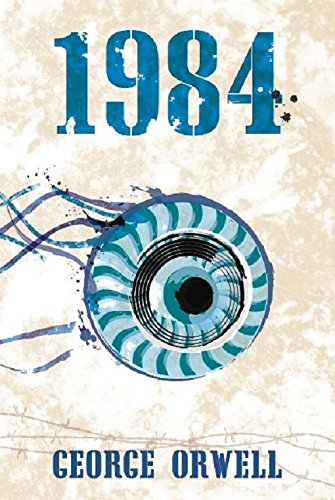
1984 is widely regarded as a benchmark for anticipatory novel, dystopia, and even science fiction in general. The main figure of the novel, Big Brother, has become a metaphorical figure of the police and totalitarian regime, the society of surveillance, as well as the curtailment of freedoms.
2. To kill a Moking Bird by Harper Lee
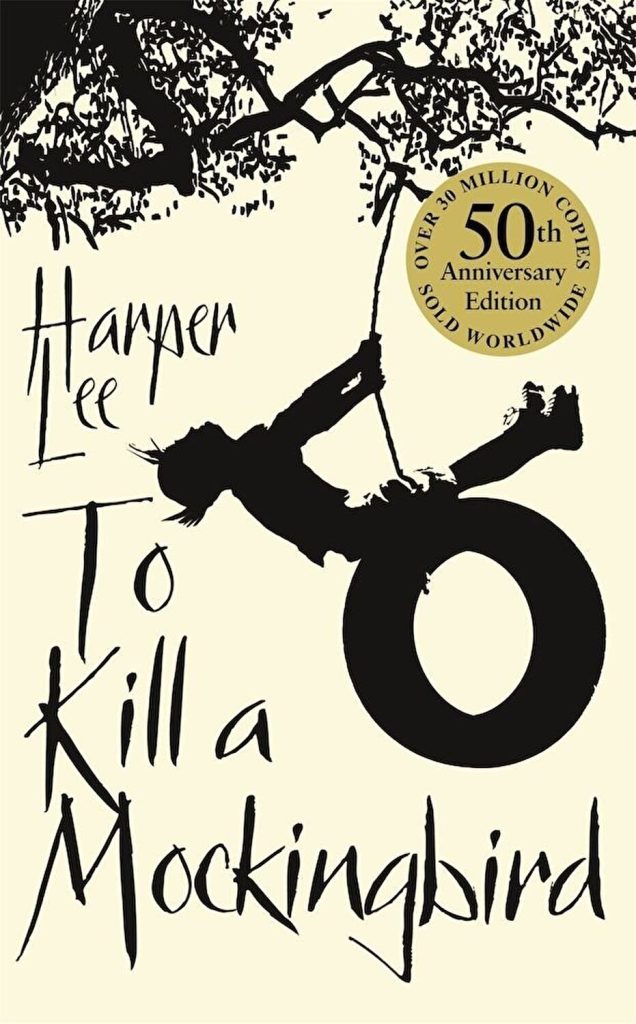
A novel which is both fiction mixed with biographical elements and the learning novel, but which also contains the elements of a thriller which brings it closer to the detective novel. Pulitzer Prize-winning masterpiece deals with the heroism of a man in the face of blind and violent racial hatred in the southern United States.
3. The best of worlds by Aldous Huxley
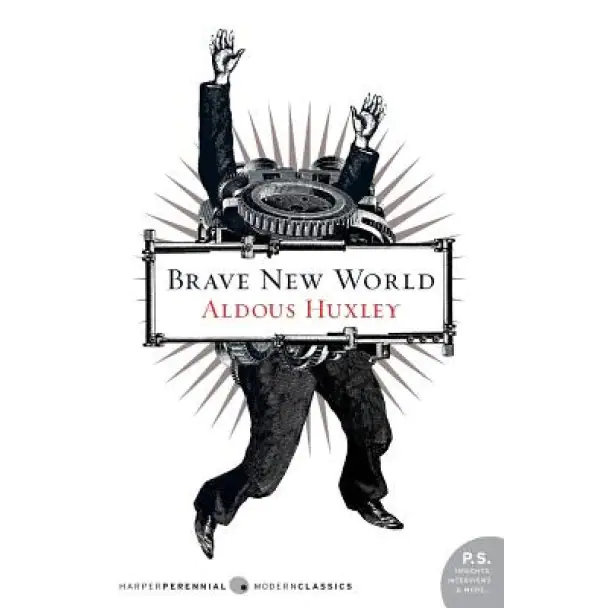
This Aldous Huxley tour de force is a dark and satirical vision of a “utopian” future, and a powerful work of speculative fiction that has captivated and terrorized readers for generations. It remains remarkably relevant to this day, both as a warning to be taken into account and as highly stimulating entertainment.
4. The book thief by Markus Zusak
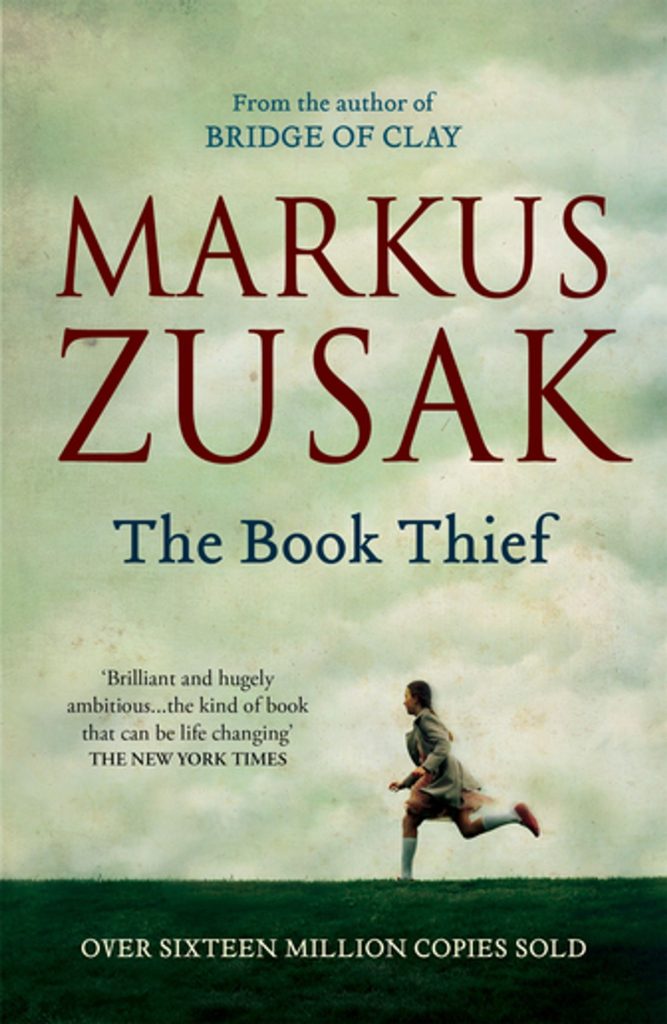
The Book Thief has achieved international success with audiences and critics alike, who have praised the disconcerting aspect of the story and the values it defends against barbarism such as the importance of family ties, friendship, human solidarity. and the power of words.
5. Catch-22 by Joseph Heller
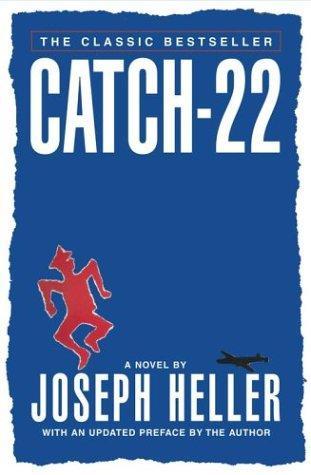
Fifty years after its initial publication, Catch-22 remains the cornerstone of American literature and one of the funniest and most famous novels of all time. In Italy during World War II, Yossarian, a spooky and incomparable bomber, is furious because thousands of people he has never met seek to kill him.
6. Pride and Prejudice by Jane Austen
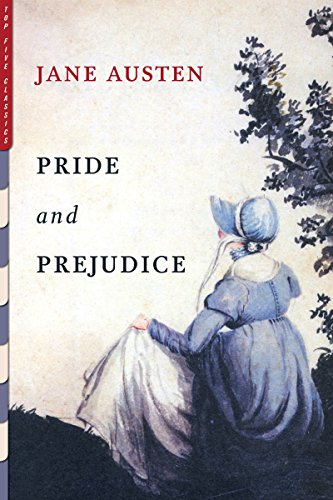
The opening line of Jane Austen‘s novel is among the most cited in literature and tells the humorous and ultimately timeless tale of English society proper, of unspoken intentions and true love gained. Pride and Prejudice is a classic that skillfully traces the intricacies of social status, mores, and relationship rituals in 19th-century England, in which all the love between Elizabeth Bennet and Mr. Darcy blossomed.
7. Journey to the edge of the night by Louis-Ferdinand Céline
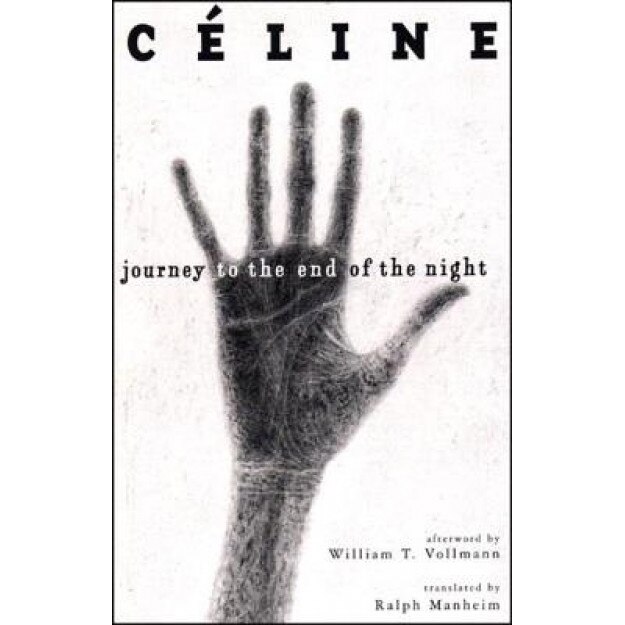
The novel is notably famous for its style, imitated from the spoken language and tinged with slang, which has largely influenced contemporary French literature. It is mainly inspired by Celine’s personal experience; he participated in the First World War in 1914 and it revealed to him the absurdity of the world. More than a simple criticism of the war, it is with regard to the whole of humanity that the narrator expresses his nihilistic spirit: Celine probably spares no one.
8. The call of the wild by Jack London
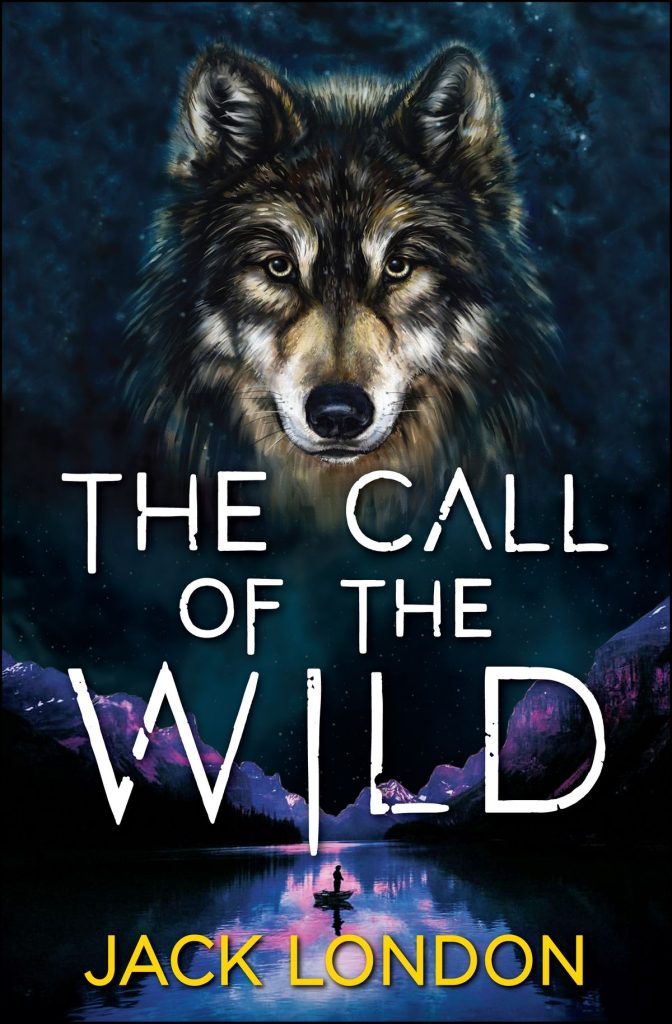
An instant classic when first published in 1903, The Call of the Wild is both a thrilling adventure and an American hymn to the power of nature. The novel chronicles how a domestic dog, sold as a result of a combination of circumstances as a sled dog during the Gold Rush era, reverts to its natural instincts when confronted with the pitfalls and harshness of the land of the Yukon.
9. Fahrenheit 451 by Ray Bradbury
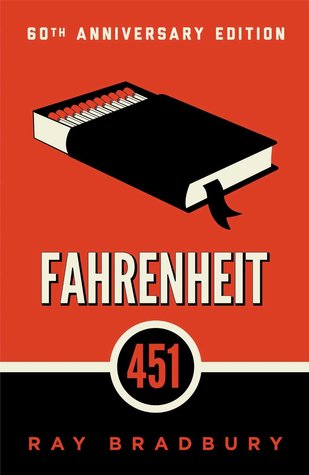
Fahrenheit 451 is a novel of science fiction dystopian and great in force of Ray Bradbury, considered “the writer who has contributed most to insert modern science fiction in classical literature” by the New York Times. Ray Bradbury, who mixes suspense and poetry, also launched a current of writing. He is fond of style games, and has left an indelible mark on several generations of authors and readers.
10. One hundred years of solitude by Gabriel Garcia Marquez
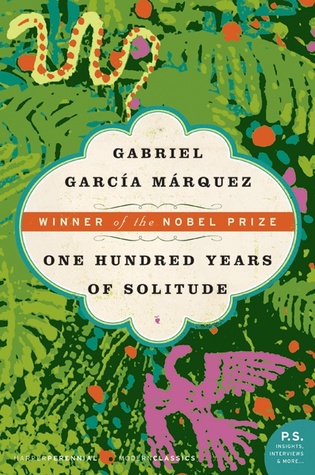
Considered a centerpiece of universal literature, the novel is one of the most widely read and translated Spanish-speaking works today. Hundred Years of Solitude is cited as the most representative text of magical realism, an aesthetic current of European and pictorial origin. Magical realism brings together various literary genres and juxtaposes, in a playful way, proven historical and geographical framework, probable socio-cultural references, and supernatural motifs and opens a new path in world literature by its desire to transfigure reality through allegory and the imagination.
11. The alchemist by Paulo Coelho
Every few decades, a book is published that changes the lives of its readers forever. The Alchemist is such a book. With more than a million and a half copies sold worldwide, The Alchemist stands out as a modern classic, universally admired. Paulo Coelho’s charming fable will enchant and inspire an even wider audience of readers for generations to come.
12. The Tin Drum by Günter Grass
The hero of the novel is a young boy from Danzig who, from the age of three, refuses to grow up, and gets a drum from which he never leaves. Grass draws a picaresque, earthy and sarcastic fresco of Northern Germany. The novel enjoyed worldwide success upon publication and quickly became a classic. Its influence on world literature is considerable. It is recognized as one of the largest German novels of the post-war and one of the major literary works of the second half of the twentieth century.
13. The Great Gatsby by F. Scott Fitzgerald
An exquisite tale of mythical 1920s America, the novel resonates with lyrical beauty and brutal realism, magic, romance and mysticism. The Great Gatsby is one of the great classics of 20th century literature, where gin, jazz and sex flourish in the wealthy mansions of Long Island.
14. Siddhartha by Herman Hesse
Siddhartha, a young man, leaves his family for a contemplative life, then, agitated, pushes them aside out of an appetite for flesh. He conceives a son, but bored and sickened by lust and greed, he leaves. On the verge of despair, Siddhartha arrives on a river where he hears a unique sound. This sound signals the real beginning of his life – the beginning of suffering, rejection, peace and finally wisdom.
15. The kite runner by Khaled Hosseini
The heartbreaking tale of the unlikely friendship between a wealthy boy and the son of his father’s servant, trapped in the tragic story, Kites of Kabul transports readers to Afghanistan at a crucial time of change and death. destruction. Since its publication, the novel has become a unique classic in contemporary literature. He touched millions of readers and launched the career of one of America’s most sought-after writers.
16. War and Peace by Leo Tolstoy
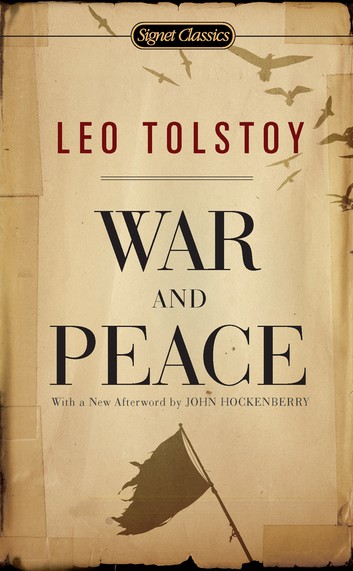
This book narrates the history of Russia in the time of Napoleon. Leo Tolstoy develops there a fatalistic theory of history, where free will has only minor importance and where all events obey only an ineluctable historical determinism. From its publication, Guerre et Paix was a huge success. The richness and realism of the details as well as its numerous psychological descriptions often make it considered a major novel in the history of literature.
17. The Handmaid’s Tale by Margaret Atwood
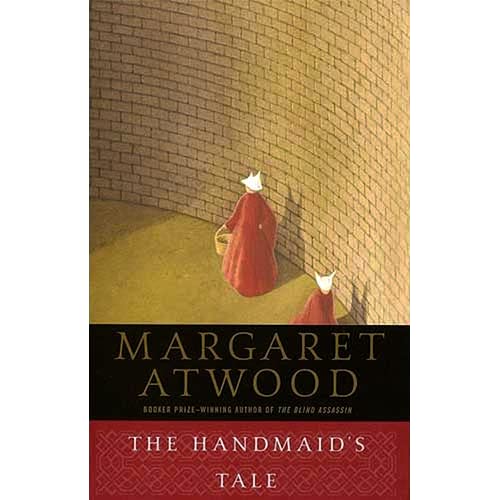
The Scarlet Servan is not only a radical and brilliant start for Margaret Atwood, it is a novel of such power that the reader will not be able to forget its images and predictions. The story is told through the eyes of Offred, one of the hapless servants of a terrifying new social order, in condensed but eloquent prose. At the same time scathing satire, grave warning and tour de force, of which Margaret Atwood is currently writing the sequel.
18. The color purple by Alice Walker
The color purple has sold over five million copies, inspired an Oscar-nominated film, starring Oprah Winfrey and directed by Steven Spielberg and adapted for a musical to Broadway. Regarded as a literary masterpiece, this is the groundbreaking novel that remains a heartbreaking – but extremely uplifting – experience for new generations of readers.
19. The little prince by Antoine de Saint-Exupéry
Few stories are as widely read and universally dear to children and adults as The Little Prince. In the guise of a children’s story, it is a powerful poetic and philosophical work. The language, simple and uncluttered, because it is intended to be understood by children, is in reality for the narrator the privileged vehicle of a symbolic conception of life. Translated into 361 languages, The Little Prince is the second most translated work in the world after the Bible.
20. Don Quixote by Miguel de Cervantes
Both a medieval novel and a novel of the then nascent modern era, the book is a parody of the mores of the chivalrous ideal, and a critique of the social structures of a rigid Spanish society seen as absurd. Don Quixote is an important milestone in literary history and the interpretations given to it are numerous: pure comedy, social satire, political analysis. It is considered one of the most important novels in world literature and the first modern novel.
21. The Bell Jar by Sylvia Plath
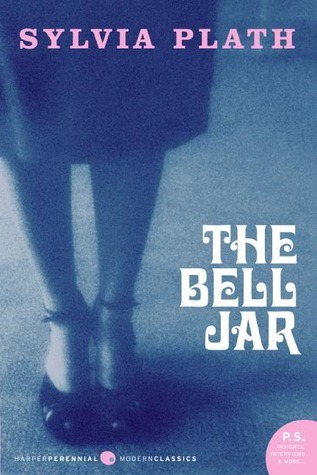
Sylvia Plath’s shocking, realistic and intensely emotional novel about a woman who falls into madness. In her acclaimed masterpiece, Sylvia Plath brilliantly draws the reader into the chaos of her main character with such intensity that her madness becomes very real, even rational. A deep penetration into the darkest and most heartbreaking recesses of the human psyche, The Bell of Distress is an extraordinary achievement and a haunting American classic.
22. Their Eyes Were Watching God by Zora Neale Hurston
One of the most important and enduring books of the 20th century, it is a Southern love story with a wit and pathos only found in the writing of Zora Neale Hurston. Out of print for nearly 30 years – in large part due to initial audience rejection of its powerful black female protagonist – the Hurston classic has, since its re-release in 1978, become perhaps the most widely read and acclaimed novel of African-American literature.
23. Mrs. Dalloway by Virginia Woolf
One of the main themes of this book is otherness, whether it is about oneself in front of others, but also the face-to-face between oneself and oneself. Mrs Dalloway thus appreciates herself in several ways. The most important quality of the book is that it is a poetic novel, carried by the music of a singing phrase. Impressions become adventures there. That is why it is perhaps the masterpiece of the author – the greatest English novelist of the twentieth century.
24. Tuesdays with Morrie by Mitch Albom
Each of us has known someone in our youth who understood his aspirations and concerns, taught him to see things as they are and helped him find his way. For Mitch Albom, it was Morrie Schwartz, his university professor. Every Tuesday for many months, Mitch seeks with him the answer to this question that haunts us all: how to live? And the answer will be simple, luminous, deeply human, at the antipodes of all the conventional speeches.
25. The glass castle by Jeannette Walls
The Glass Castle is a remarkable autobiographical tale of resilience and redemption, as well as a keen look at a deeply dysfunctional family. Jeannette Walls is known throughout New York: social columnist, she evolves in the world of celebrities. Who could imagine that she spent her early years in the most squalid misery? – that his childhood was a continual struggle to survive, marked by a father and mother of absolute eccentricity?
26. Walden by Henry David Thoreau
The book tells the story of Thoreau’s life in a cabin for two years, two months and two days. The narration follows the changing seasons, and Thoreau presents his thoughts, observations, and speculations. It also reveals how, in contact with the natural element, the individual can renew and transform himself, finally becoming aware of the need to base all action and all ethics on the rhythm of the elements.
27. Slaughterhouse 5 by Kurt Vonnegut
An American classic, one of the best anti-war works in the world. Focusing on the infamous firebombing of Dresden, Billy Pilgrim’s Odyssey through Time bears witness to the mythical journey of our own shattered lives as we search for meaning in what we fear most. This novel has been ranked among the masterpieces of science fiction.
28. I Know why the caged bird sing by Maya Angelou
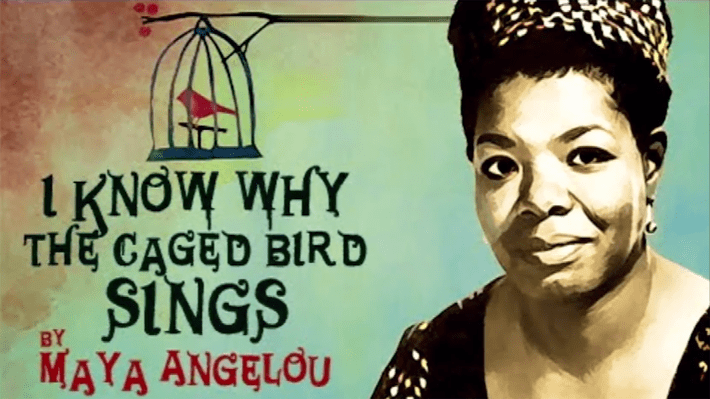
A powerful autobiographical novel about the early years of American activist and writer Maya Angelou. This initiatory novel illustrates how strength of character and love of literature can help to face racism and trauma. The story deals with topics specific to other biographies of black American women in the years following the African American civil rights movement: motherhood of a black woman, a critique of racism, the importance of family, and the quest. independence and human dignity.
29. Anne Frank’s diary by Anne Frank
Fleeing the horrors of the Nazi occupation forces, Anne Frank and her family hid on the premises of an Amsterdam office building for two years, in the “Secret Annex”. Over the course of her diary, she becomes a very insightful young woman. A timeless story uncovered by each new generation, The Diary of Anne Frank continues to bring to life this young woman, who has survived the worst horrors the modern world has known – and who remained triumphantly human throughout her heart-wrenching ordeal.
30. Moby Dick by Hermann Melville
Moby Dick is the monstrous white whale, the incarnation of Evil, this figure of obsession and the double which, from the frozen depths, accompanies Captain Ahab, accustomed on the surface to the titanic battles of the oceans. Moby Dick is that total masterpiece that anyone can read as the most formidable of adventure novels, and a movie was created which is one of the movies to see at least once in lifetime; the quest also for a humanity embarked by force on board a story that remains a mystery for it.
31. On the road by Jack Kerouac
On the Road tells the story of Jack Kerouac’s years traveling the North American continent with his friend Neal Cassady, “a withered hero of the snowy West.” They travel the country in search of knowledge and experience. Kerouac’s love for America, his compassion for humanity and his sense of jazz combine to make On the Road an inspirational work of lasting significance.
32. Memories of Hadrien by Marguerite Yourcenar
A historical novel by the French writer, these pseudo-memoirs of the Roman Emperor Hadrian immediately met with extraordinary international success and ensured its author great fame. The book is presented as the long letter from an aging emperor to his grandson and possible successor, Marcus Aurelius. The emperor meditates there on his military triumphs, his love of poetry and music, his philosophy, and his passion for his favorite, the young Bithynian Antinoüs.
33. When breath becomes air by Paul Kalanithi
At the dawn of a brilliant career as a neurosurgeon, Paul Kalanithi discovers that he suffers from terminal lung cancer. The future imagined with his wife suddenly disappears. When the breath joins the sky is the story of the multiple metamorphoses of this man, a naive student who became a seasoned doctor, then a patient and a young father at the same time. What are the reasons for living when the end is so near? What does it mean to give life when yours is dwindling? Paul Kalanithi dies without having completed his manuscript.
34. The last lecture by Randy Pausch
On September 18, 2007, a university professor, Randy Pausch, announces during a conference on the theme “Realizing his childhood dreams” that he has a fatal cancer which will kill him in a few months. He then shares his life lessons with the assembly. Posted online, this “last speech” shook the whole world. Hence this book, drawn from his lessons, in which Randy Pausch sends us a courageous, human, deeply philosophical message.
35. Angela’s ashes by Frank McCourt
This poignant autobiography consists of various anecdotes and childhood stories of Frank McCourt and his life in Brooklyn and Limerick, which also speaks of his struggle with poverty, his father’s drinking problems and his mother’s attempts to keep the united family. Angela’s Ashes, imbued on every page with the remarkable humor and compassion of Frank McCourt, is a glorious book that bears all the hallmarks of a classic.
36. A brief history of time by Stephen Hawking
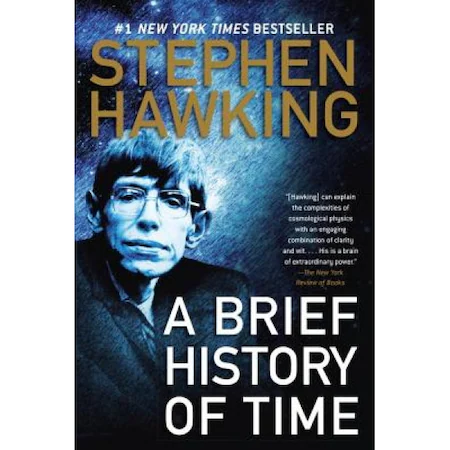
A flagship work in the scientific literature of one of the great minds of our time. In accessible language, A Brief History of Time delves into the exotic realms of black holes and quarks, antimatter and “arrows of time”, the Big Bang and a greater God – where the possibilities are wonderful and unexpected. With enthralling imagery and limitless imagination, Stephen Hawking brings us closer to the ultimate secrets at the very heart of creation.
37. The red and the black by Stendhal
The red and the black is the perfect illustration of the psychological novel: the main character, Julien Sorel, is the subject of an in-depth study. Ambition, love, past, everything is analyzed. The reader follows with increasing interest the meanders of his thought, which condition his actions. Until the end, Julien Sorel will see his ambitions thwarted by his feelings, which will lead them to his loss. Le Rouge et le Noir is a novel that deals with history: it was subtitled by Stendhal himself “Chronicles of 1830”.
38. The grapes of wrath by John Steinbeck
The plot is set during the Great Depression and chronicles the adventures of a poor sharecropping family, the Joads, who are forced to leave Oklahoma due to drought, economic hardship, and turmoil in the farming world. As the situation nears desperate, the Joads make their way to California with thousands of other Okies (Oklahoma residents) in search of land, work and dignity.
39. Wuthering Heights by Emily Brontë
Wuthering Heights is the only novel by Emily Brontë, published under the pseudonym of Ellis Bell. A tale both unusual and atrocious, Les Hauts de Hurlevent imposes itself as a novel with cruel characters – cruelty sometimes joining even the nicest characters – and where death is haunting. Far from being a moralizing tale, Emily Brontë nevertheless ends the novel in a serene atmosphere, suggesting the triumph of peace and good over revenge and evil.
40. Abroad by Albert Camus
The Stranger is Albert Camus’ first novel. It takes place in the tetralogy that Camus will call “cycle of the absurd” which describes the foundations of Camusian philosophy: the absurd. This tetralogy also includes the essay entitled Le Mythe de Sisyphe as well as the plays Caligula and Le Malentendu. The novel has been translated into sixty-eight languages, it is the third most read French-speaking novel in the world.
41. The sound and the fury by William Faulkner
Faulkner is firmly rooted in the modern American style. Scarred by the Civil War, South Americans are inhabited by a sense of alienation from their own non-belonging in this world influenced by Nordic modernism. The hierarchical upheaval underway following the defeat of the American southerners has changed the tradition of plantation culture. The literature, always in parallel with the story, just show these changes and Faulkner reveals these brilliantly disturbances.
42. The magic mountain by Thomas Mann
The Magic Mountain was written between 1912 and 1923 after a stay in Davos; it is considered one of the most influential works in German literature of the twentieth century. The Magic Mountain is a mirror novel in which we can decipher all the major themes of our time. And it is at the same time an admirable story with unforgettable characters that the light of the high mountain illuminates to the depths of themselves.
43. The trial by Franz Kafka
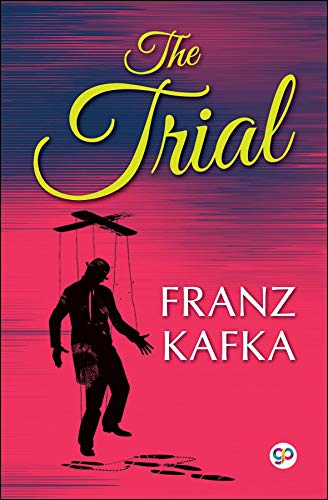
On the day of his arrest, K. opens the door to his room and thus initiates a dynamic of questioning which is based, throughout the novel, on this metaphor of the door. Accused of a fault he ignores by judges he never sees and in accordance with laws that no one can teach him, he will push a bewildering number of doors to try to unravel the situation. The Trial, a pivotal piece in the work of this genius of the absurd, renounces the spring of the supernatural to evoke the anguish of obsession.
44. The old man and the sea by Ernest Hemingway
The old man sets off on his own, out to sea, in his small boat, in search of a large fish. The big fish bites on its hook. For three days and two nights the old man will fight against him. In the end, at the cost of incredible efforts, he will succeed. It is the very condition of man that is depicted here; it is the story of human courage, of human energy, of the love of beings; it is the poem of big fish fishing, it is the victory of the heart over despair.
45. Dead Souls by Nicolai Gogol
Recounting in a comic tone the misadventures of a petty crook in the province of the Russian Empire of the 1820s, the novel is also a disturbing denunciation of human mediocrity and is considered one of the masterpieces of Russian literature. Dead Souls quickly became a classic in Russia and abroad and inspired many authors, who see in Gogol a master who surpasses them all.
46. Wretched by Victor Hugo
In this novel, emblematic of French literature, which describes the life of poor people in Paris and in 19th century provincial France, the author focuses more particularly on the fate of convict Jean Valjean. It is a historical, social and philosophical novel in which we find the ideals of romanticism and those of Victor Hugo concerning human nature. The adventure of a man is that of a society, of its passions, of its revolutions. We climb from the sewers to the sky, through all feelings, from the most sordid to the highest.
47. Madame Bovary by Gustave Flaubert
It is a major work of French and world literature. Emma Bovary is the wife of a provincial doctor, who binds adulterous relationships and lives beyond her means, avoiding the boredom, banality and mediocrity of provincial life. As of its publication, the novel was attacked by the prosecutors of the Second Empire for immorality and obscenity. The Flaubert trial made the story immensely famous. The work is inspired by true art in detail and in hidden patterns: Flaubert was a writing perfectionist proud to be in the perpetual search for the right word.
48. Extraordinary Stories by Edgar Allan Poe
Extraordinary Stories is a collection of short stories written by Edgar Allan Poe, then translated and collected under this title by Charles Baudelaire. Known above all for his tales – a genre whose brevity allows him to highlight his theory of effect, according to which all the elements of the text must work together to achieve a single effect – he gave the short story his letters of nobility and is considered the inventor of the detective story. Many of his stories foreshadow the genres of science fiction and fantasy.
49. In search of lost time by Marcel Proust
In Search of Lost Time is a novel in seven volumes, the last three of which appeared after the author’s death. Rather than the narration of a determined sequence of events, this work is not interested in the memories of the narrator but in a reflection on literature, on memory and on time. All these scattered elements are discovered linked to each other when, through all his negative or positive experiences, the narrator discovers the meaning of life in art and literature in the last volume.
50. Crime and punishment by Dostoyevsky
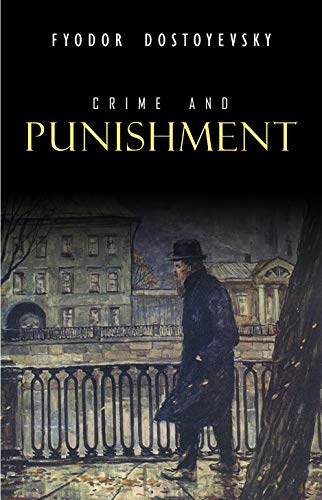
The novel depicts the murder of an elderly pawnshop and her sister by a student in St. Petersburg, and its emotional, mental and physical consequences on the murderer. The polyphonic novel, with its large gallery of varied characters, deals with subjects such as charity, family life, atheism, alcoholism, and identity research with Dostoyevsky’s keen gaze on Russian society. his time. Even though Dostoyevsky rejected socialism, the novel is also a critique of capitalism which was taking hold in Russian society at that time.